Back
- Nursery
- Prep
- Senior
- Sixth
- Home
- Contact Us
- Admissions
- Boarding
Date Posted... Nov 4th 2026
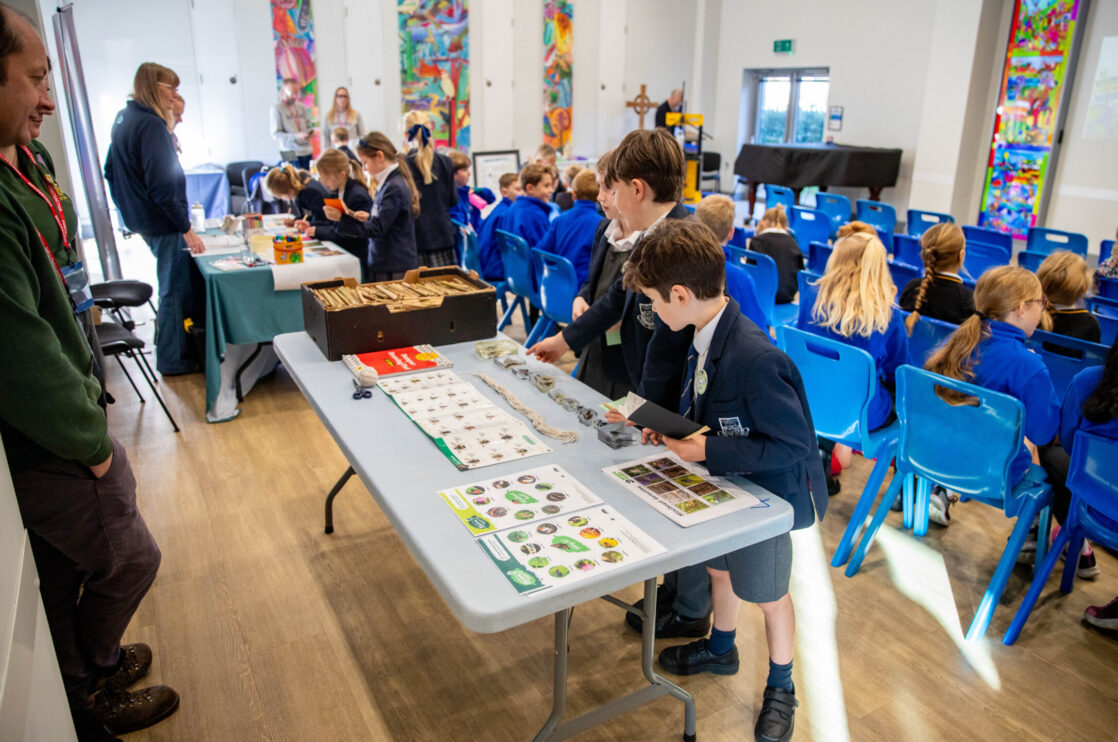
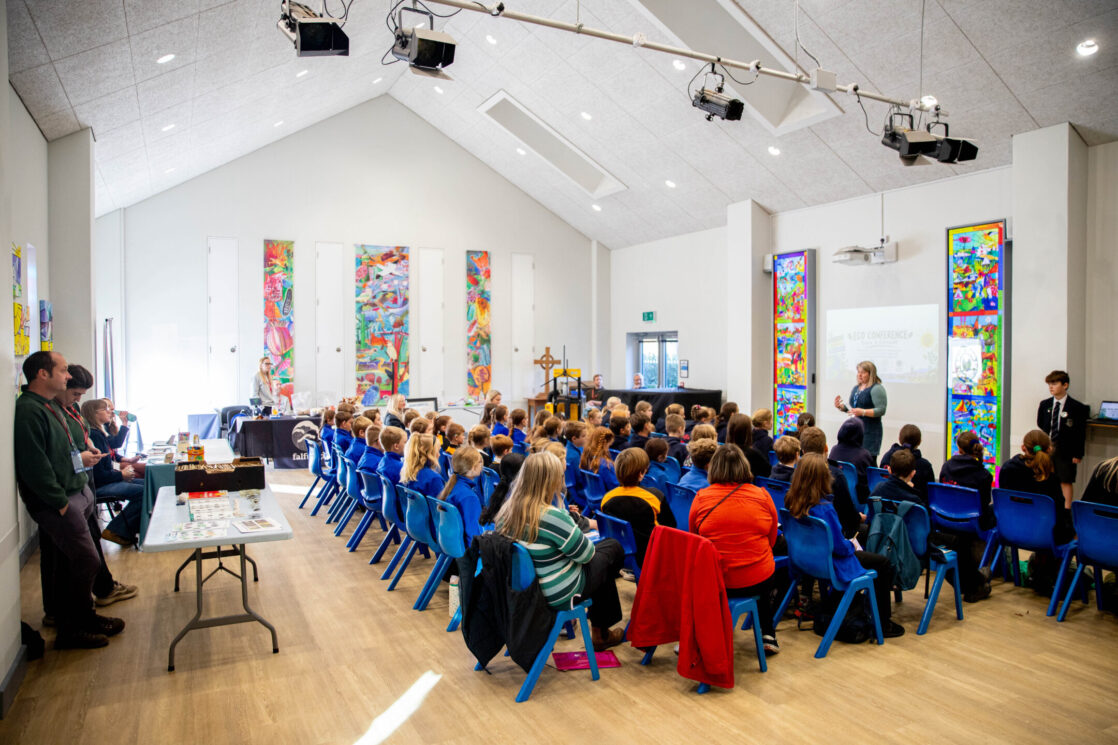
That was the clear lesson of the first Eco Conference at Truro School Prep, held on Tuesday 3 November 2026, when pupils from Devoran, Bosvigo, Chacewater, Perranarworthal and St Mary’s (Truro) joined Truro School Prep’s Eco Club (Years 3 to 6), the Year 6 Eco Committee and the Truro School Senior Eco Committee. During the morning, six local businesses and organisations led practical sessions on plastics, renewable energy, fungi, wildlife and landscape.
How are sustainability and the environment taught in UK schools?
Environmental learning runs across the curriculum, in science, geography, design and technology and citizenship, and is strengthened by pupil-led groups such as eco clubs and committees. At Truro School it starts in the Pre-Prep, where Forest School sessions, litter picks and bug hotel and bat box building are part of everyday learning. It continues through the Prep, with Eco Club, a Green Team and a Year 6 Eco Committee, and into the Senior School, where the Eco Committee is currently focusing on waste and recycling. Curriculum work links sustainable development and conservation to local settings such as Newquay Zoo and Cornish mining heritage. All of this has built towards Truro School’s record as a three-time winner of Distinction in the Eco-Schools Green Flag Award, most recently in 2026.
What does a Green Flag Distinction recognise?
Eco-Schools Green Flag judges look at the depth and breadth of environmental action across a whole school community. Truro School has now earned Distinction for the third year running. Judges praised Truro School pupils for using podcasts, videos and assemblies to promote positive action and reduce eco-anxiety, and highlighted Year 2’s Bronze, Silver and Gold RSPB Wild Challenge awards. They also noted the school’s work with the Power of 10 Charity, which has seen 70% of the seafood the school sources become MSC certified. Collaborations with Beach Guardian and Healeys Cyder Farm extend that work to families and the wider community.
Why do eco events and pupil-led groups matter?
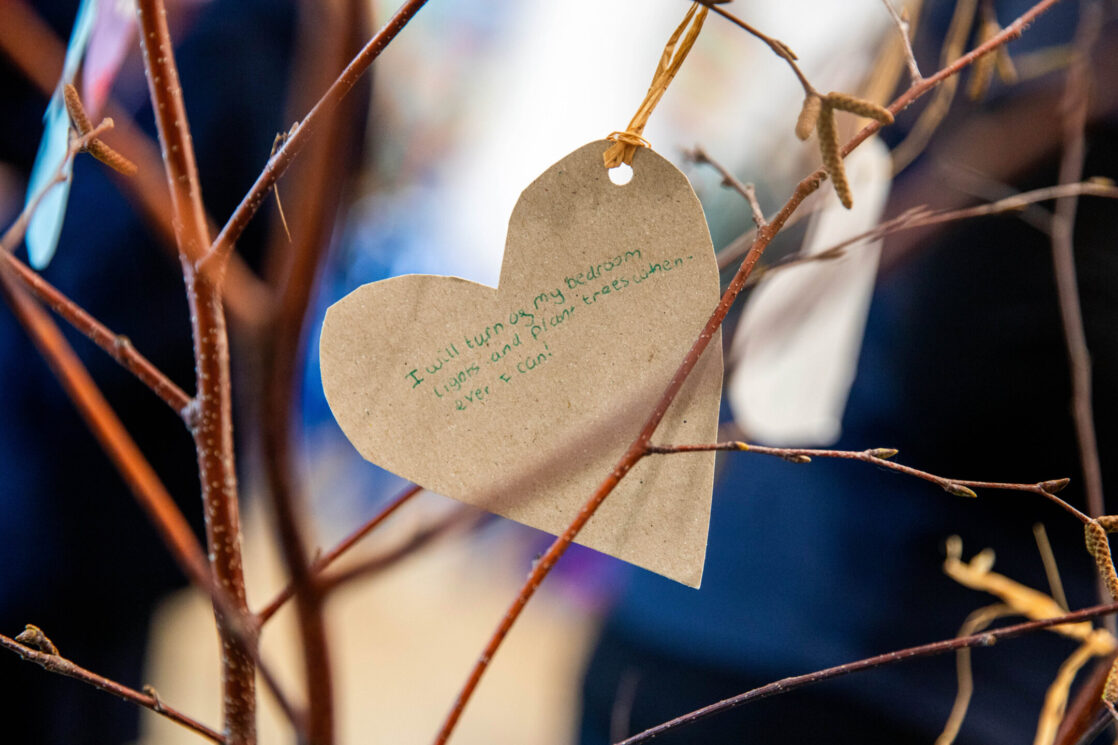
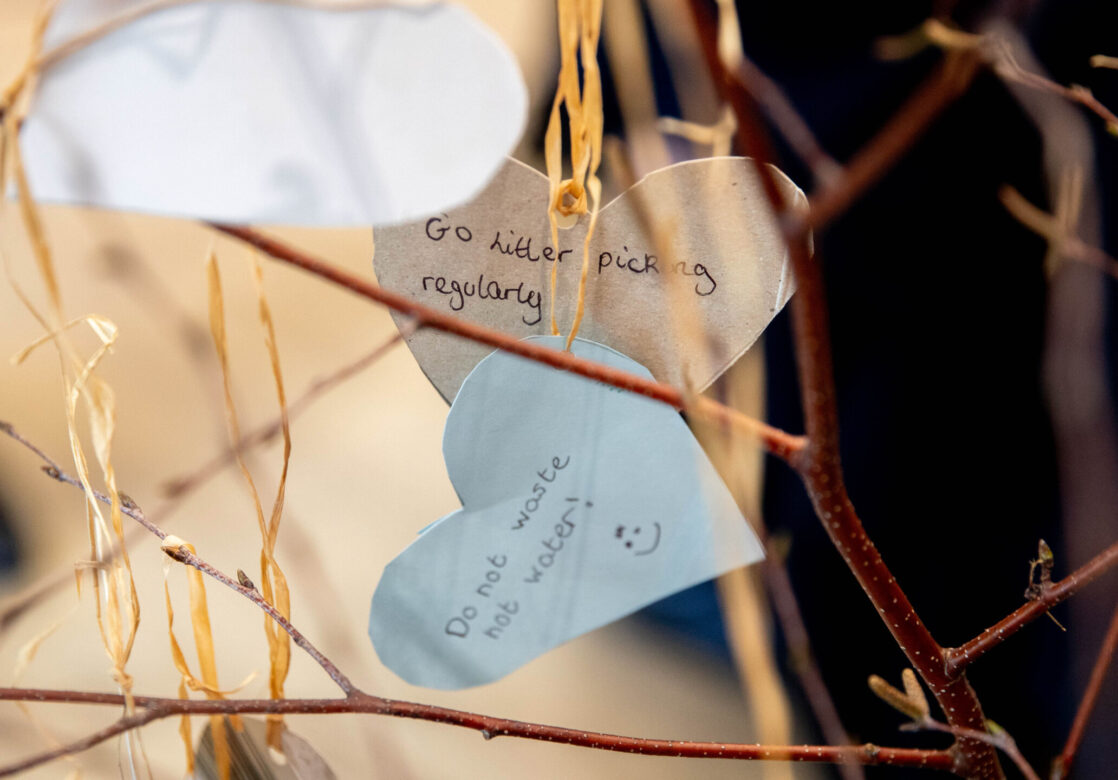
They give pupils real responsibility and show that their ideas count. Opening the conference, Mrs Knight, Head of DT at Truro School Prep, explained that events like this are a way to share ideas, empower educators and inspire the next generation. “If we all do small things, we can make big changes,” she said. Pupils from each school shared their own projects, and the Senior Eco Committee spoke about their commitment to improving sustainability at the Senior School site, so every school went home with new ideas to try.
Reflecting on the day, Mrs Knight said, “It was a real pleasure to bring together so many enthusiastic young pupils and see their energy, curiosity and engagement throughout the workshops. We are incredibly grateful to all our contributors for helping create such an inspiring event and supporting our shared ambition to build local climate resilience. What was particularly inspiring was seeing the children’s eagerness to stay connected, share ideas and work together. This is just the beginning of their journey as a community of young environmental changemakers, and we hope this will be the first of many opportunities to come together.”
What does hands-on environmental learning look like?
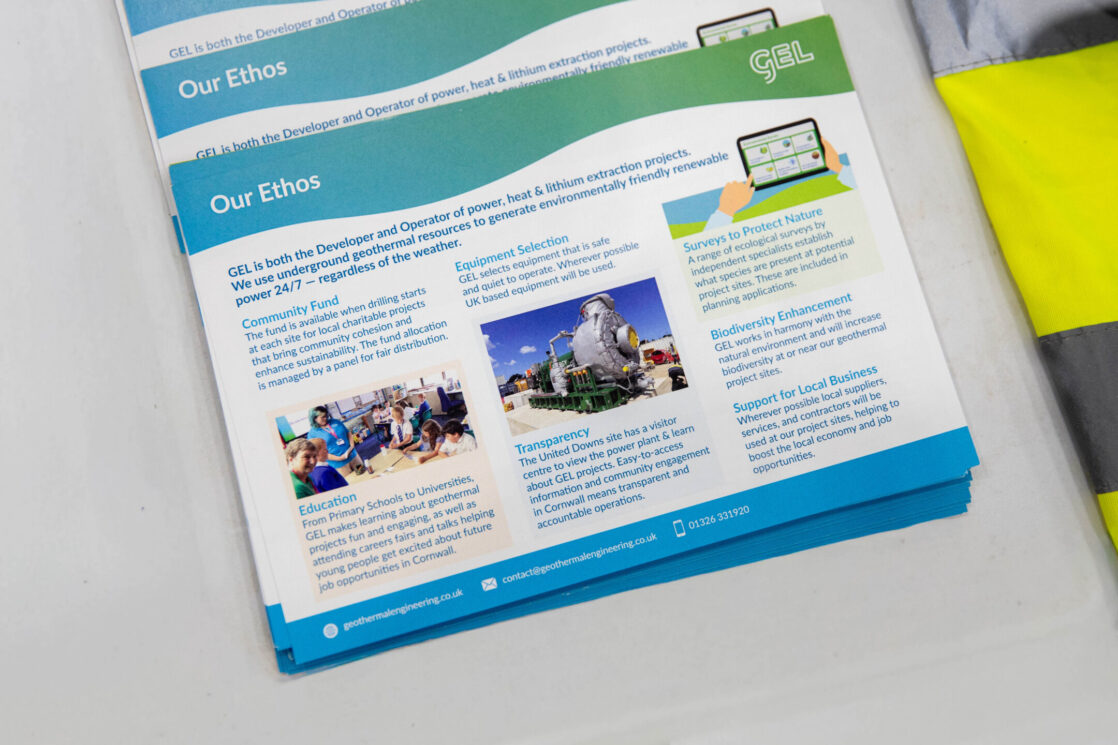
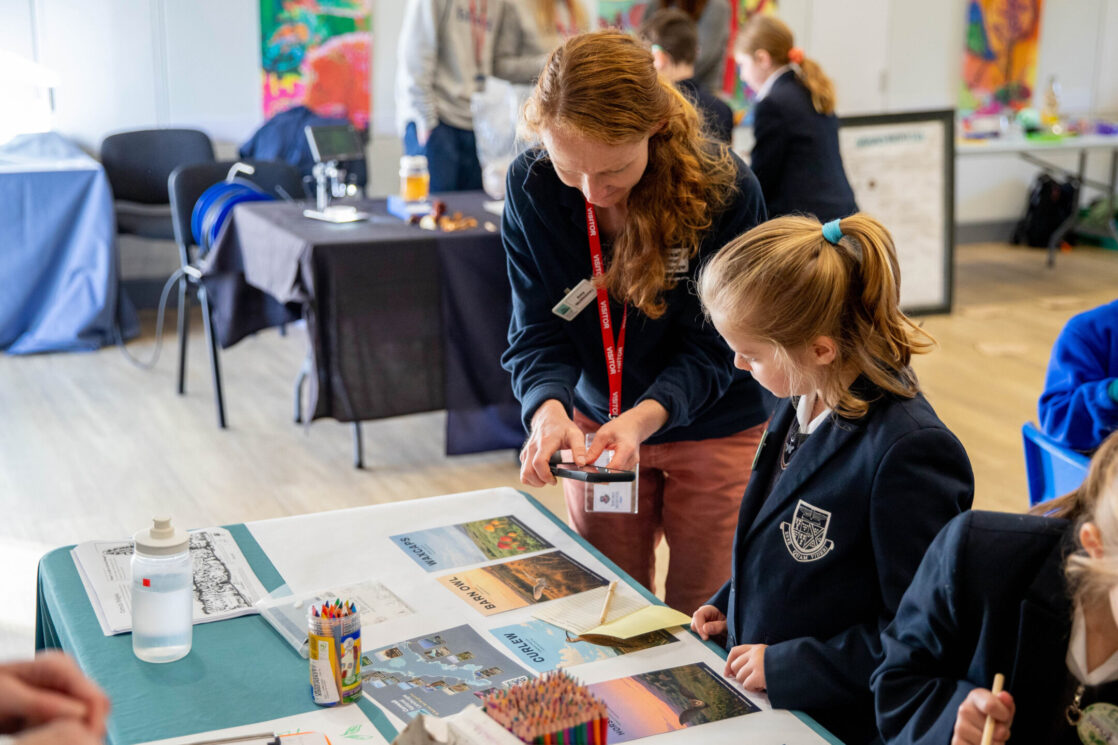
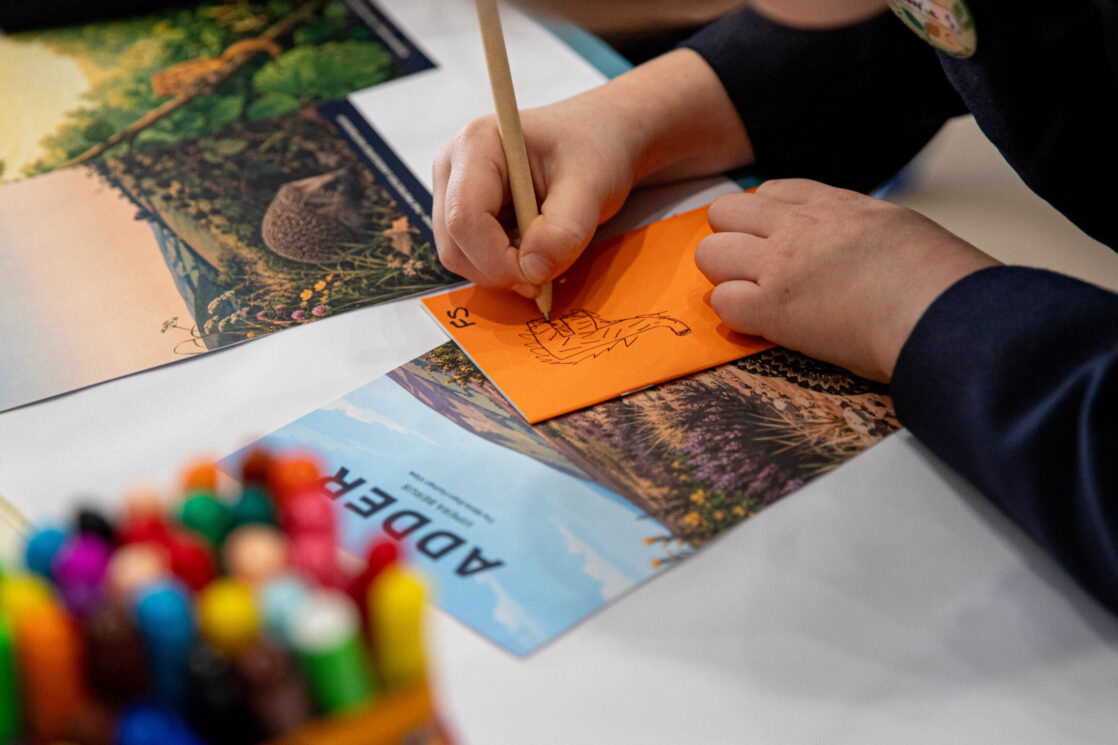
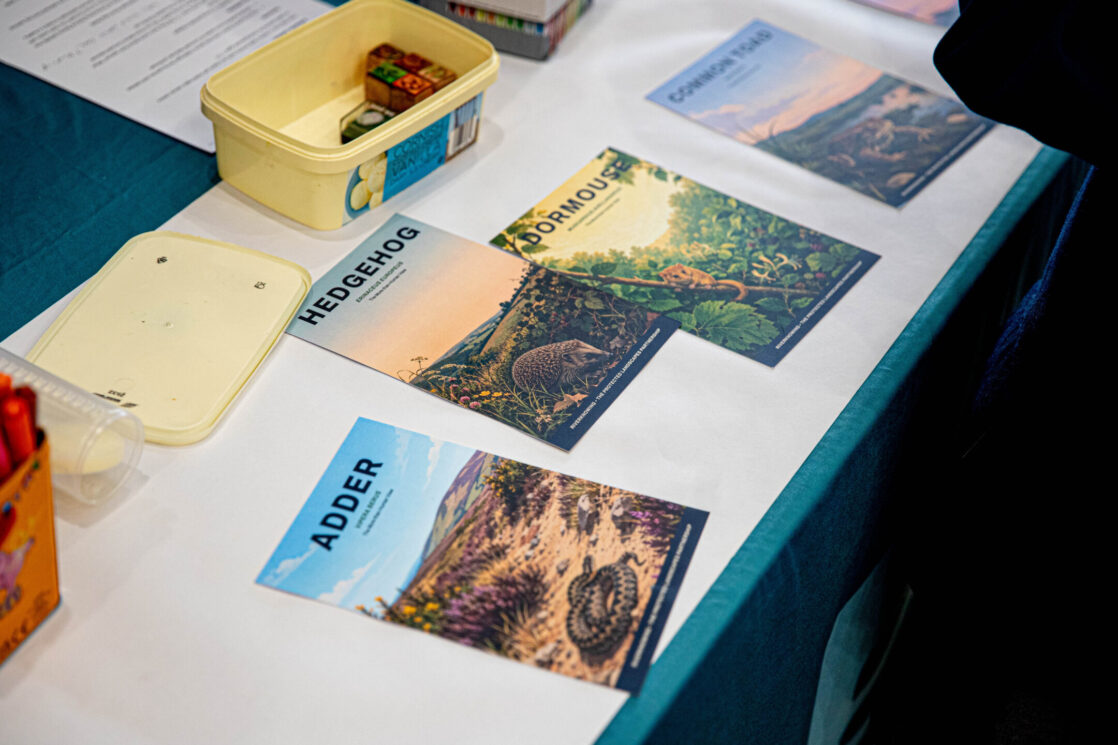
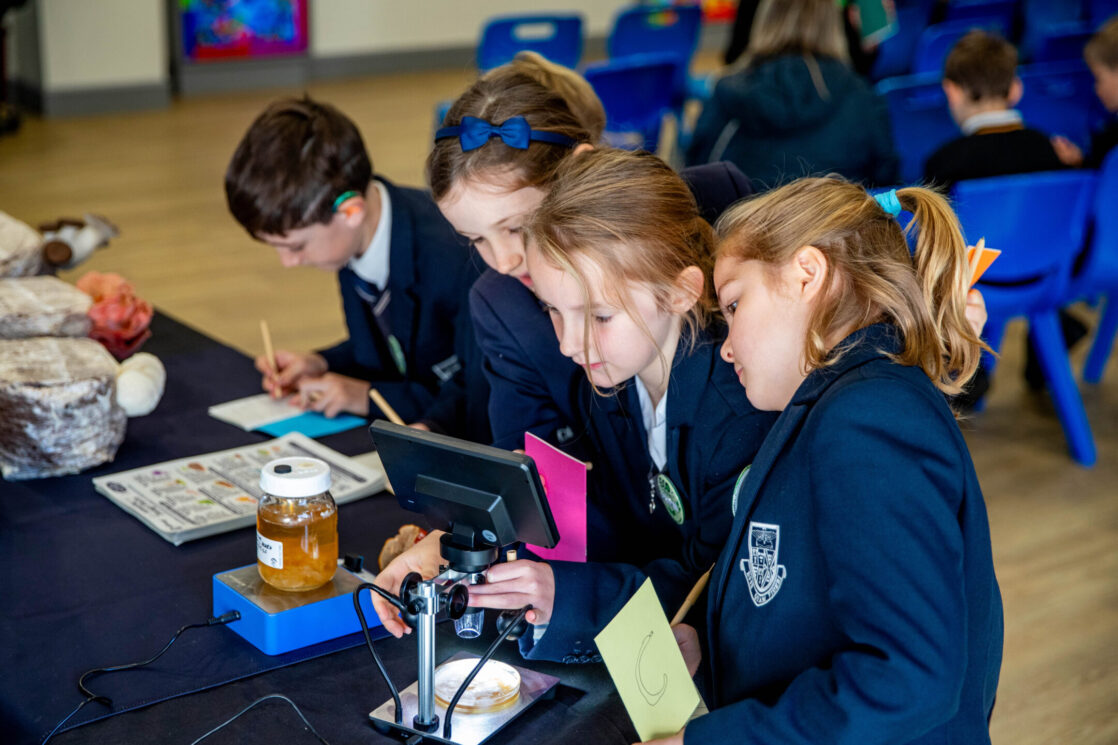
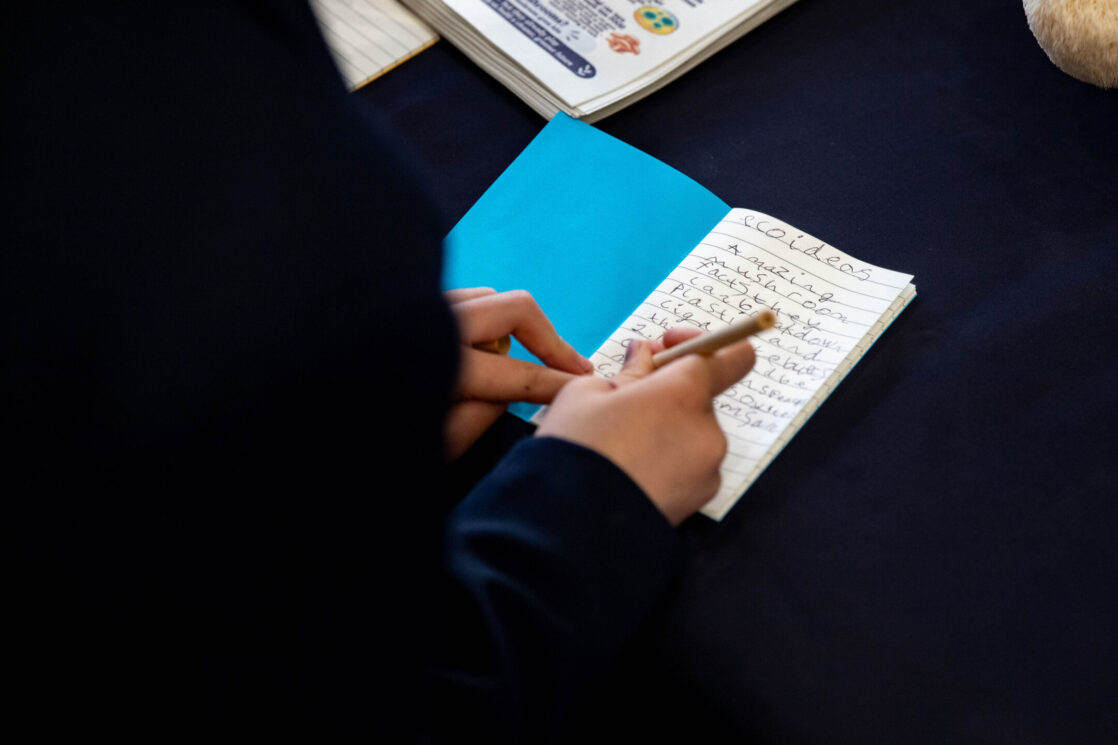
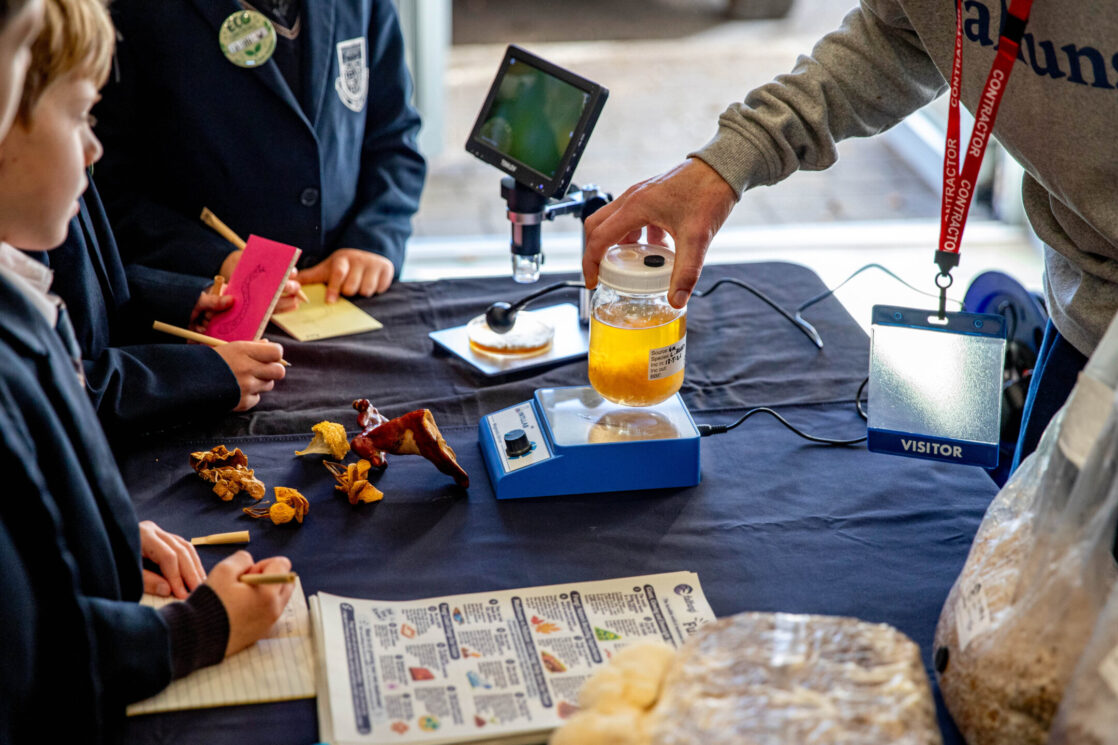
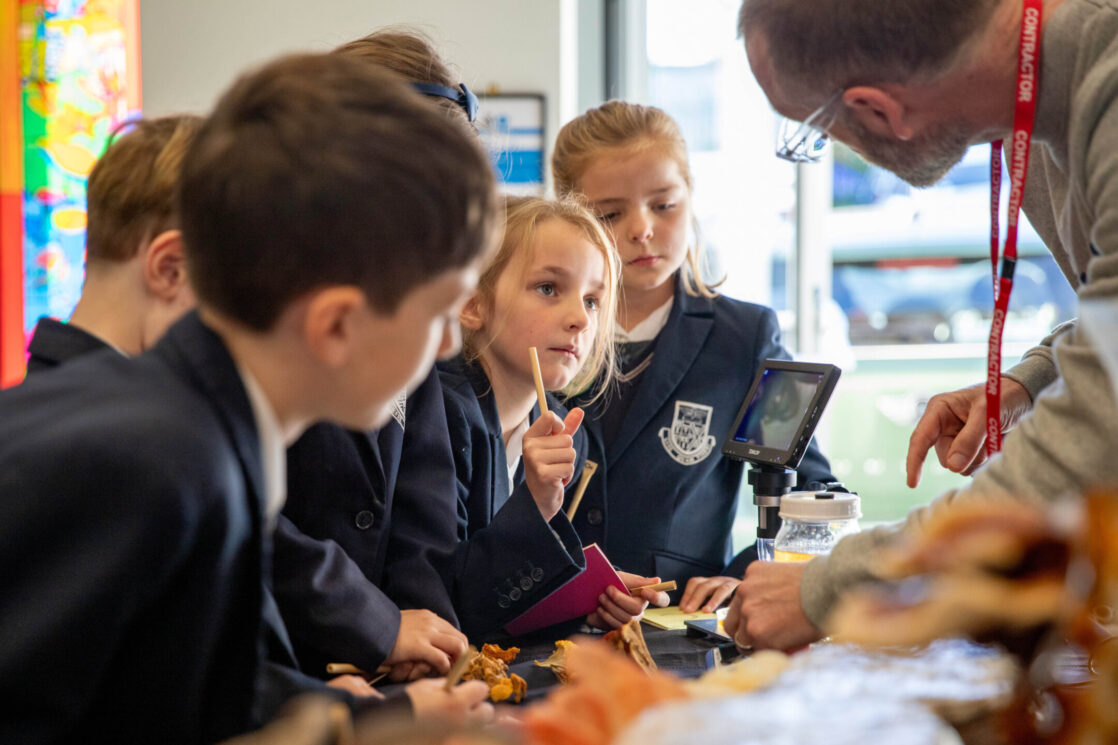
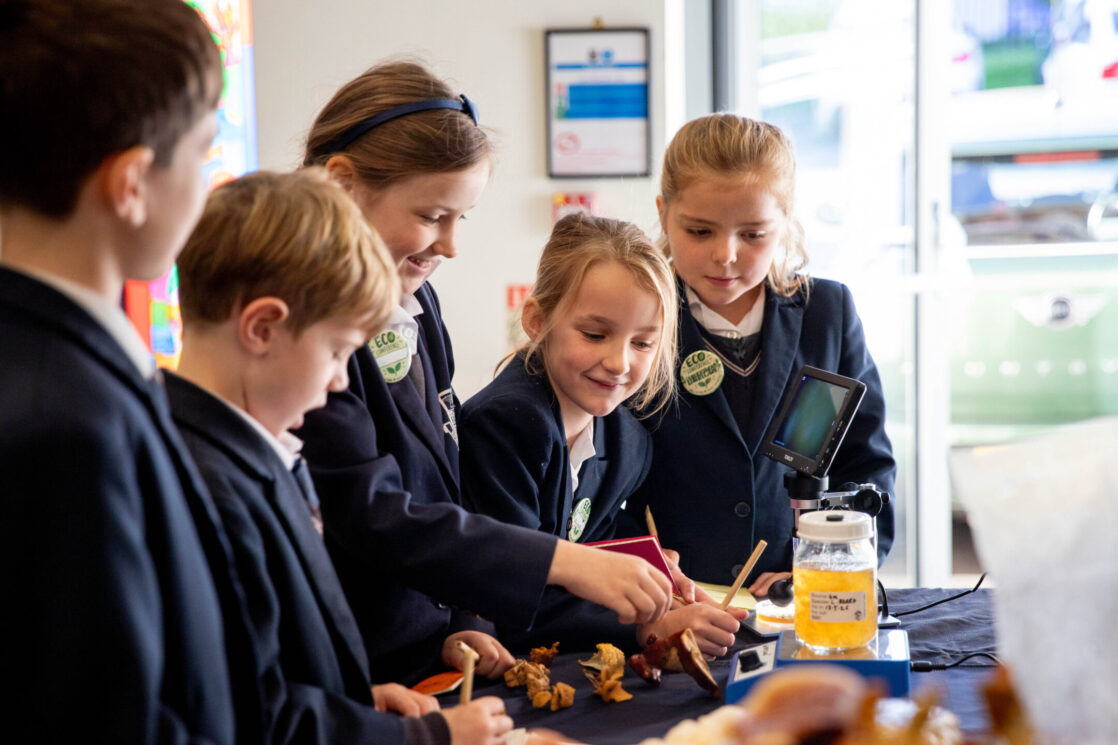
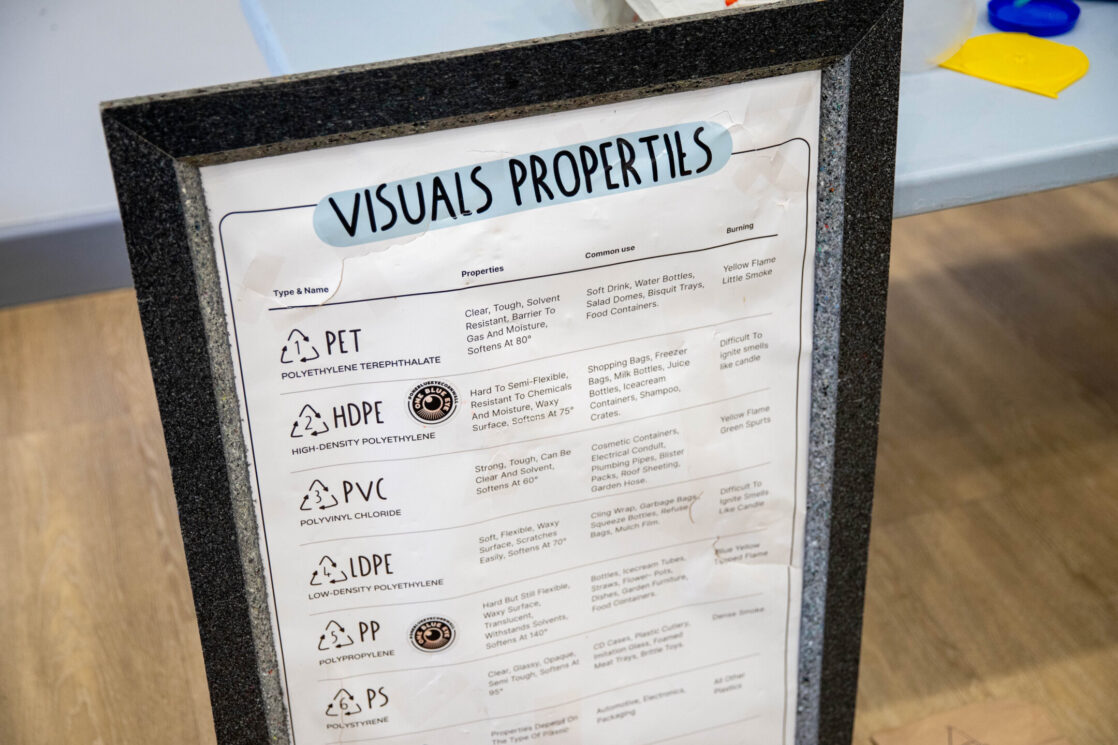
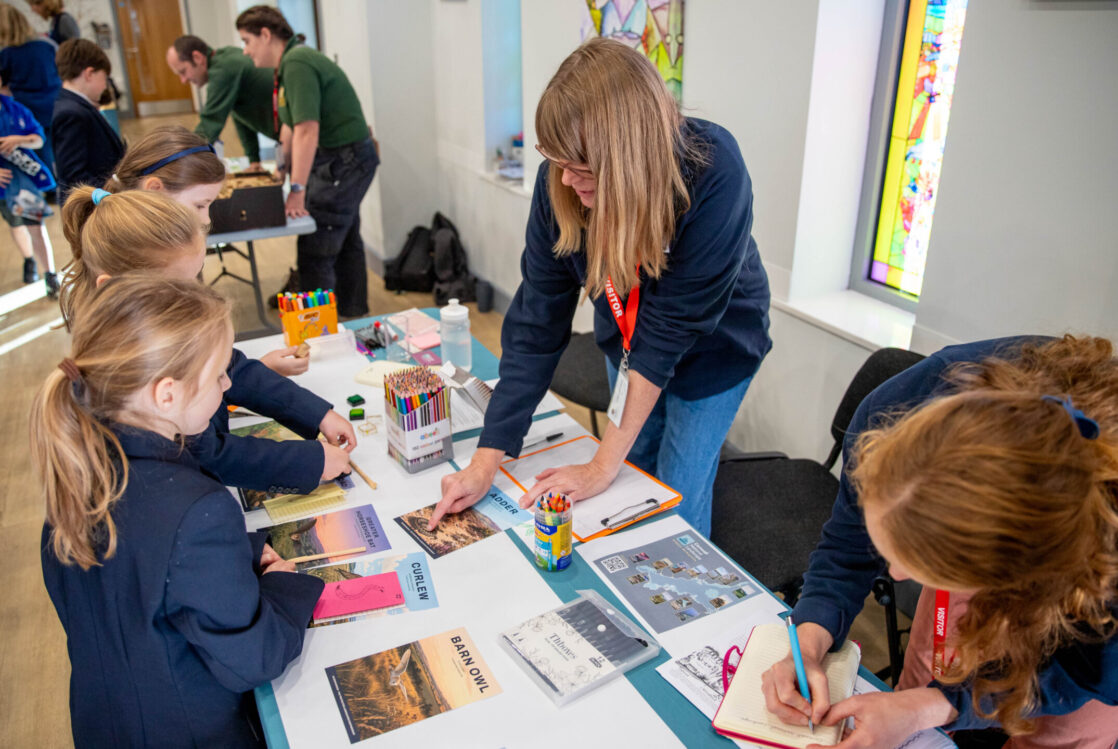
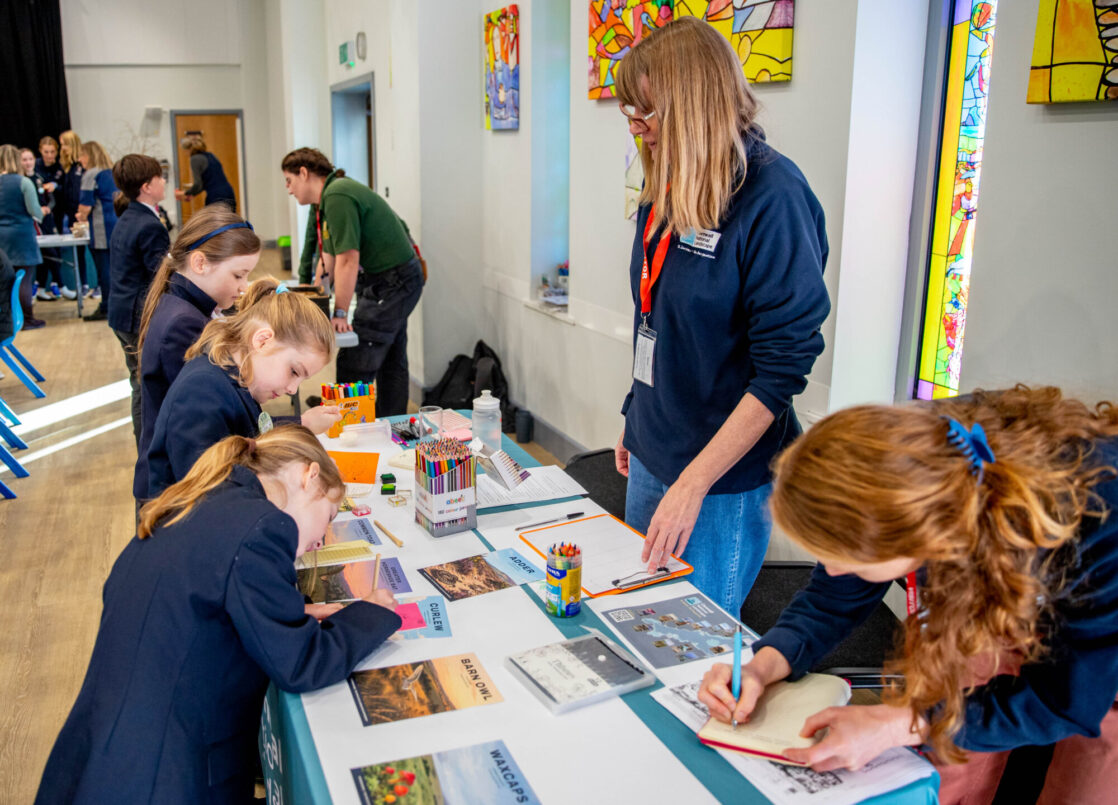
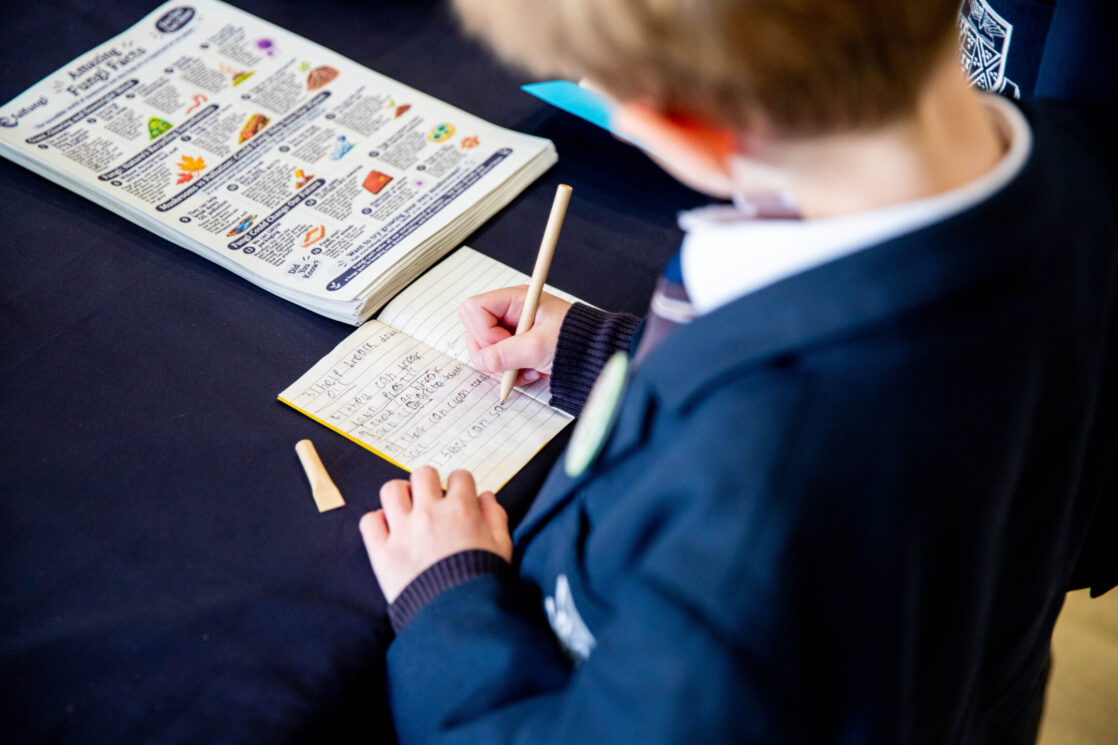
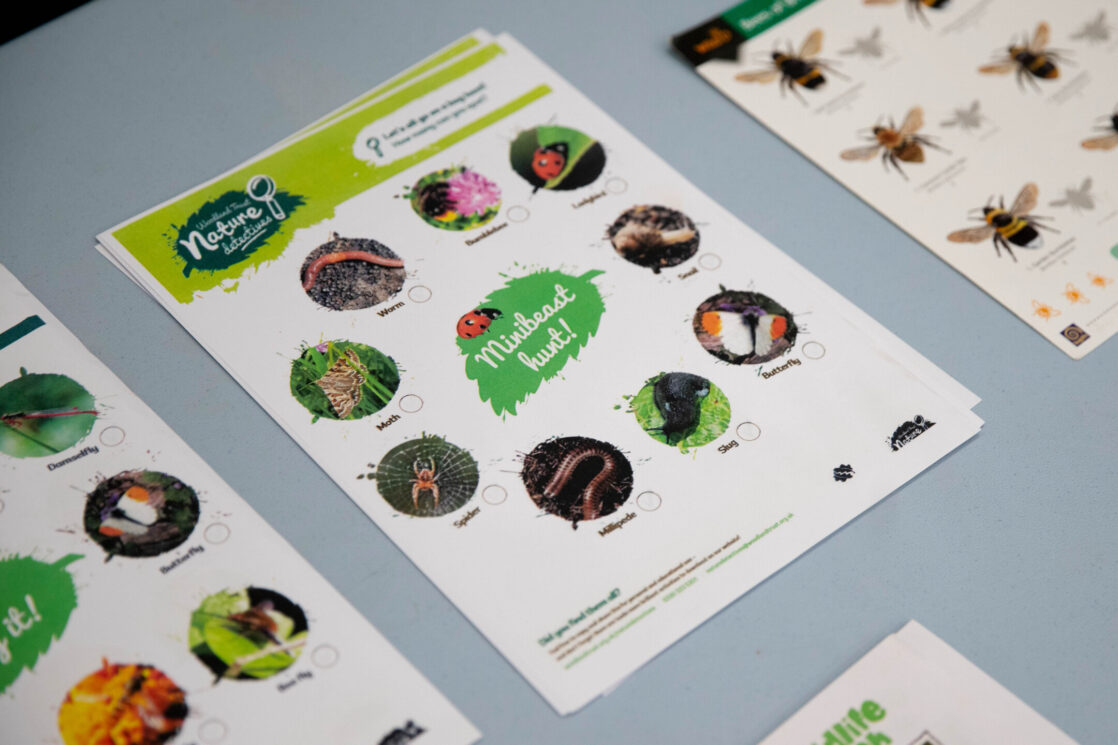
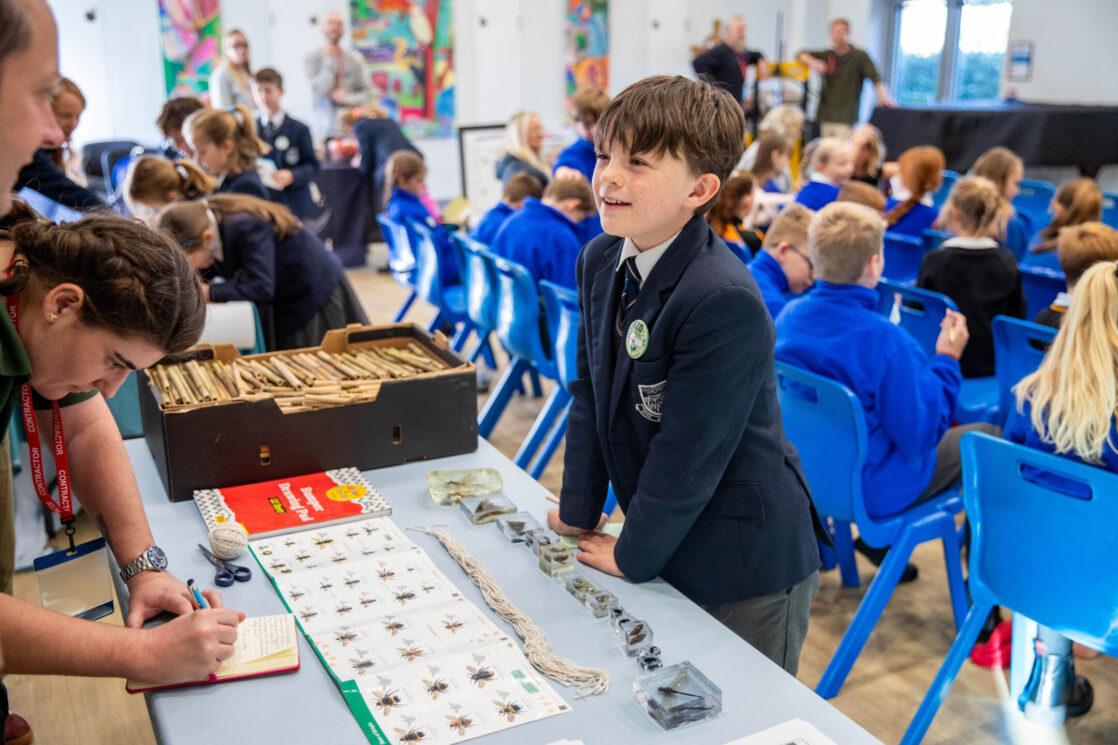
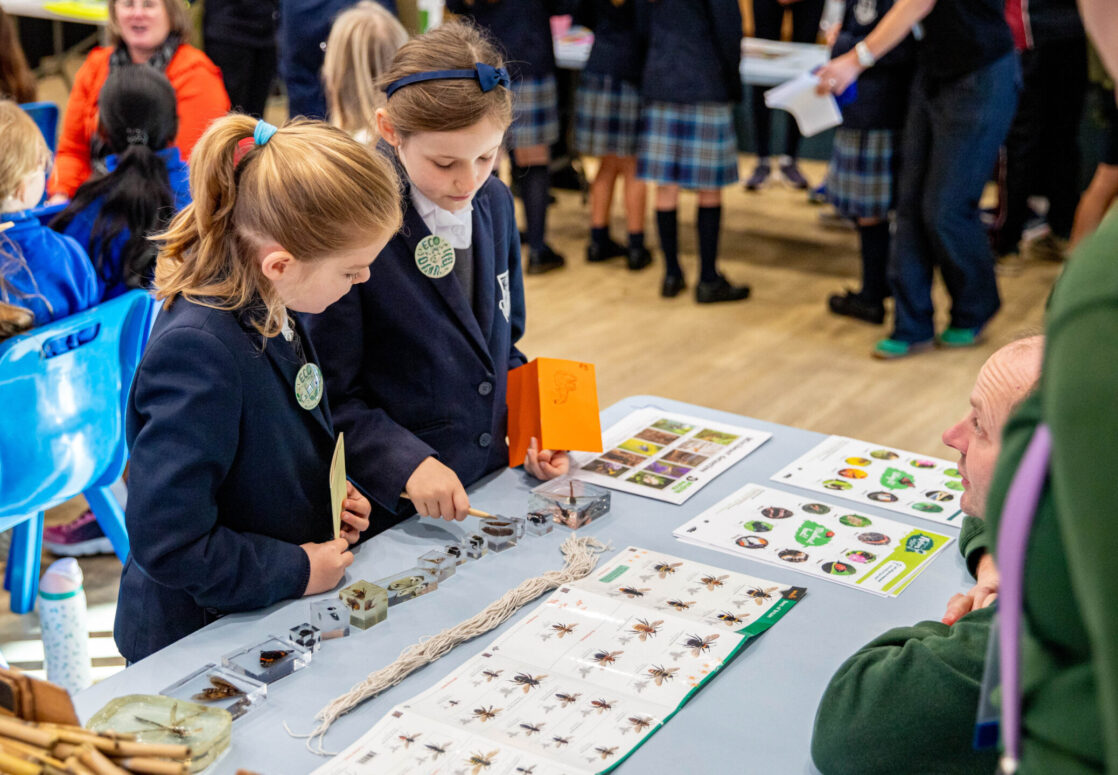
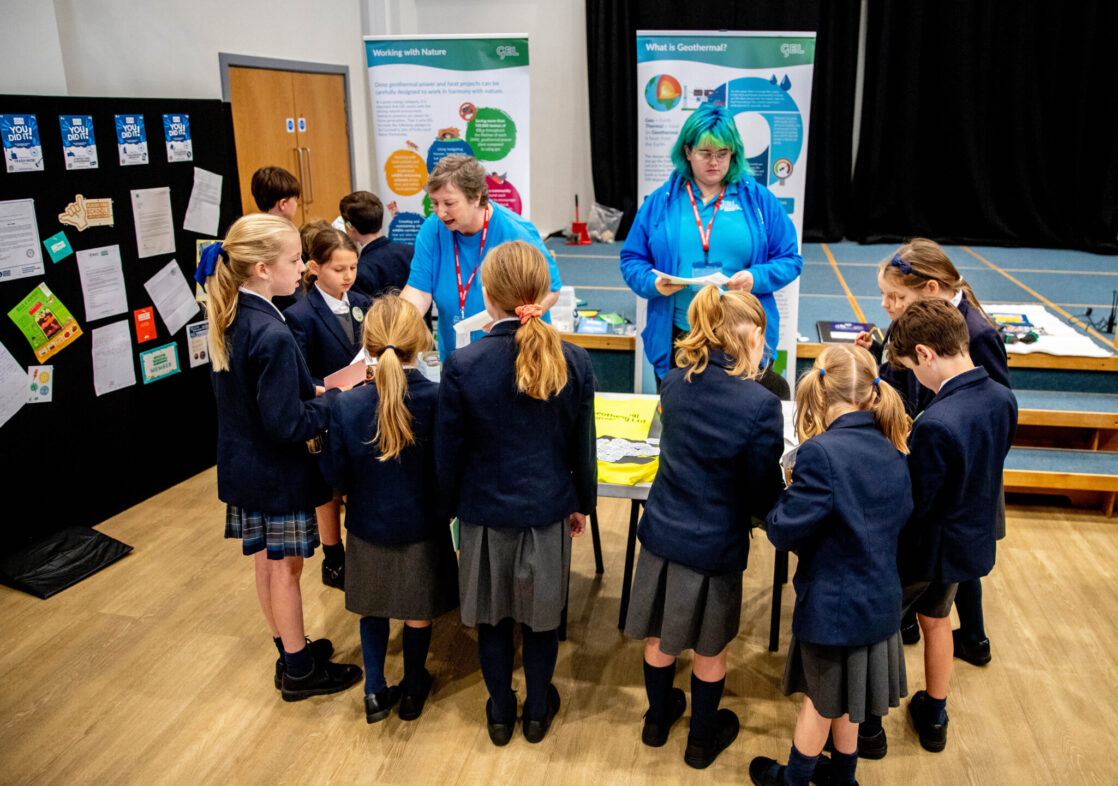
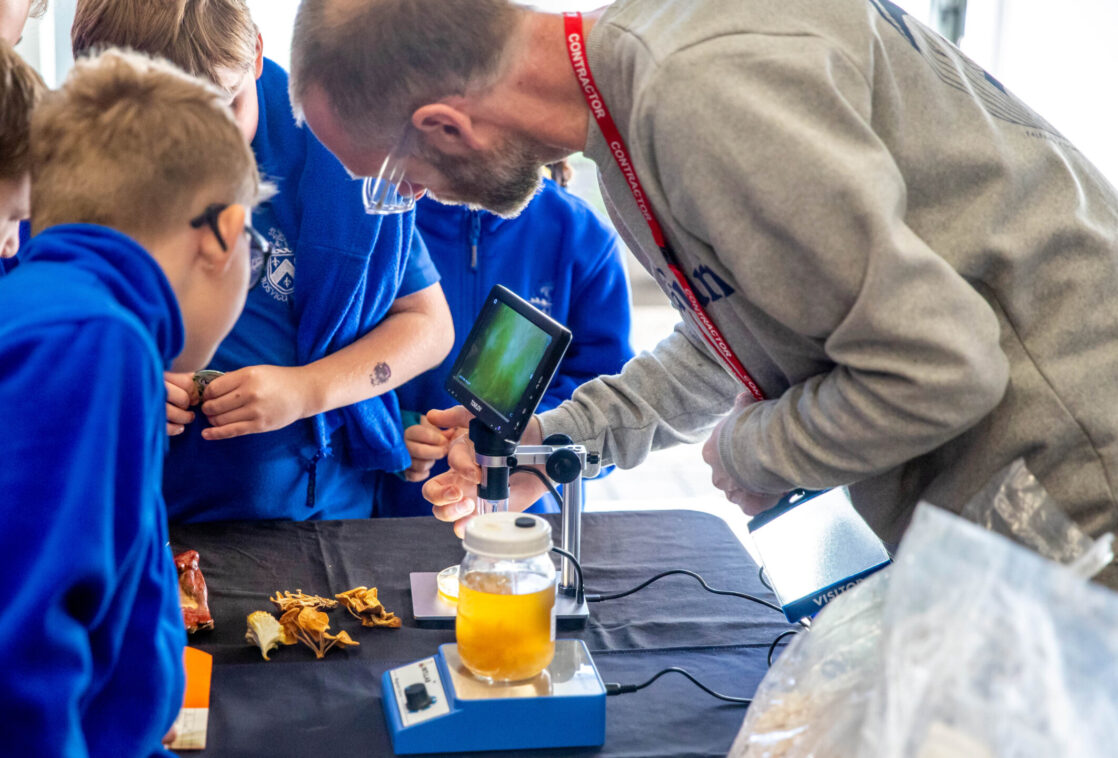
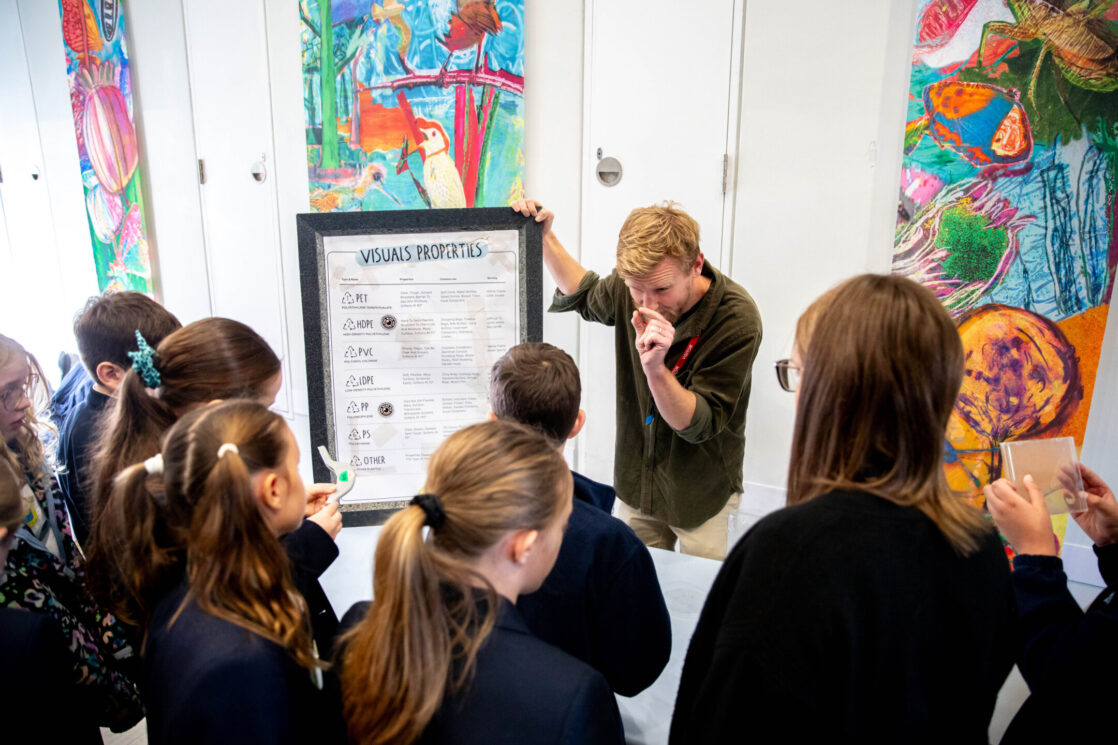
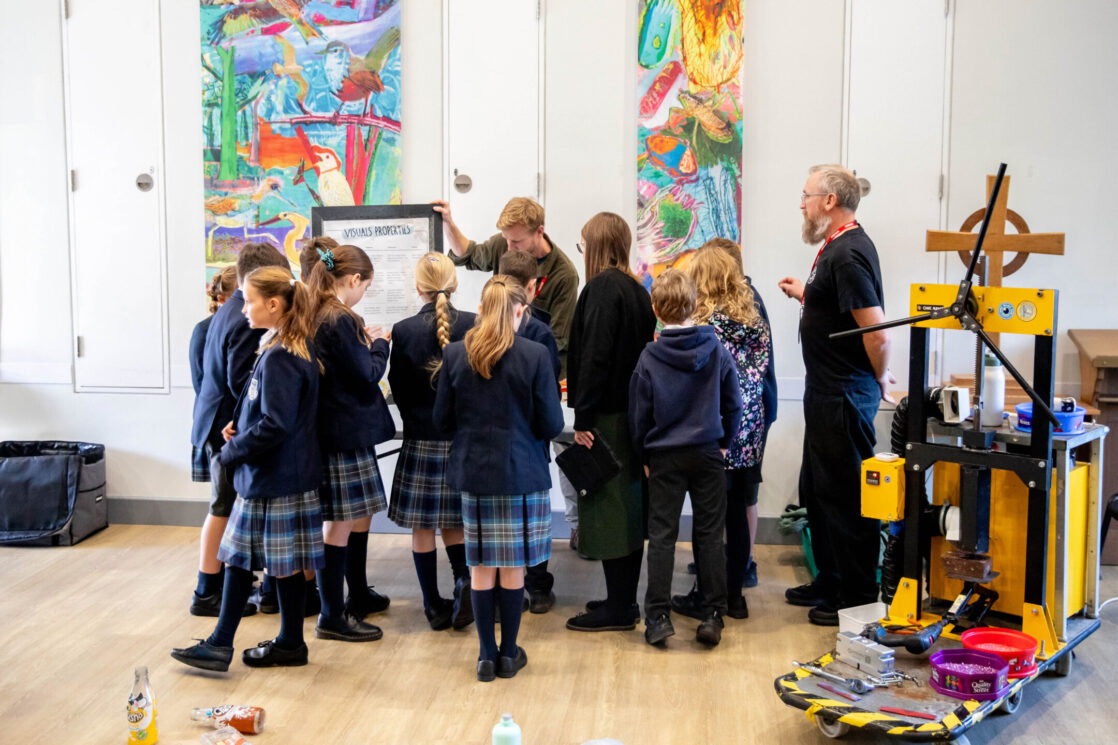
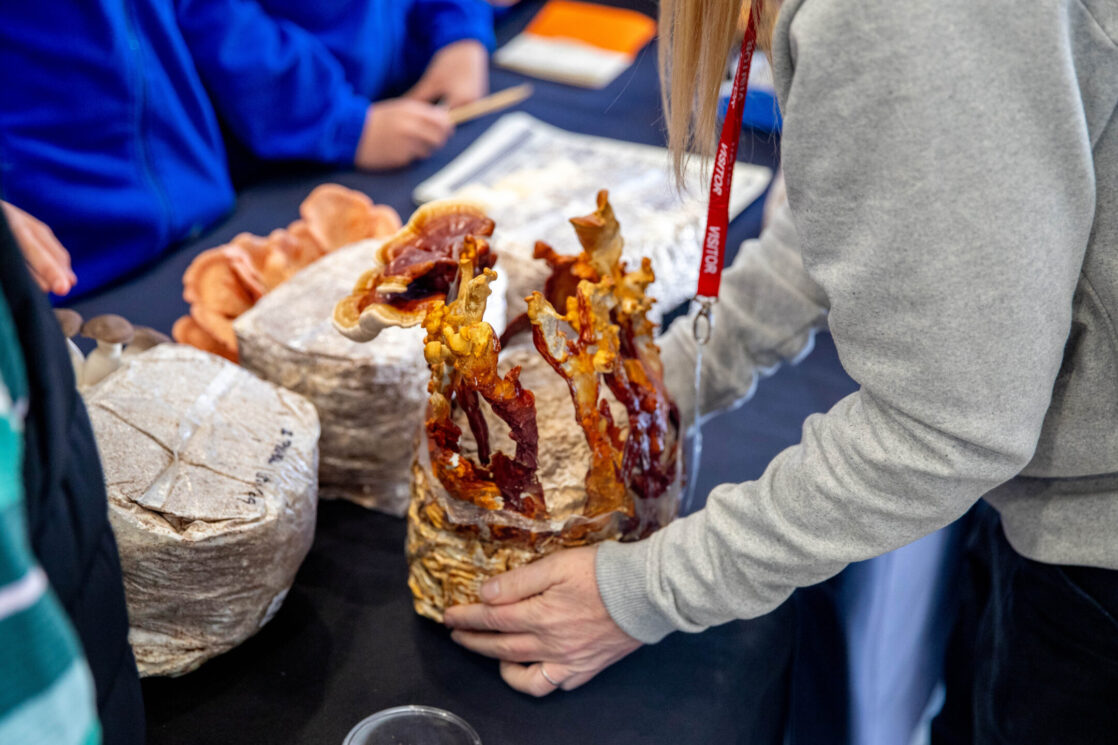
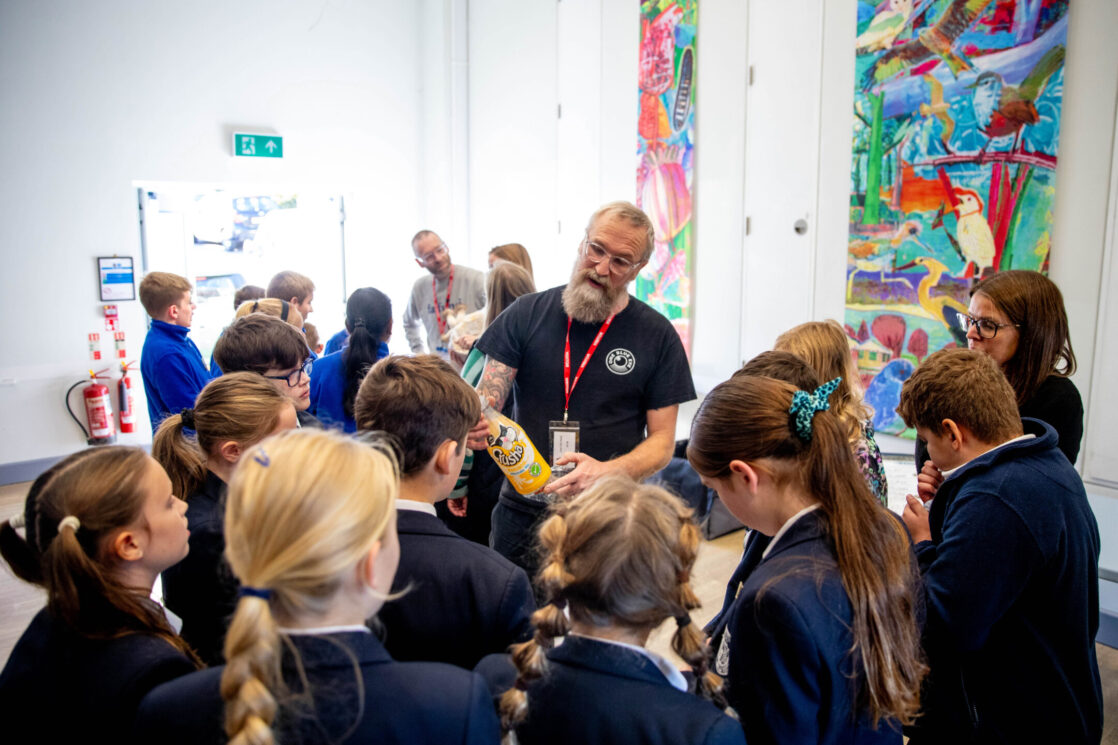
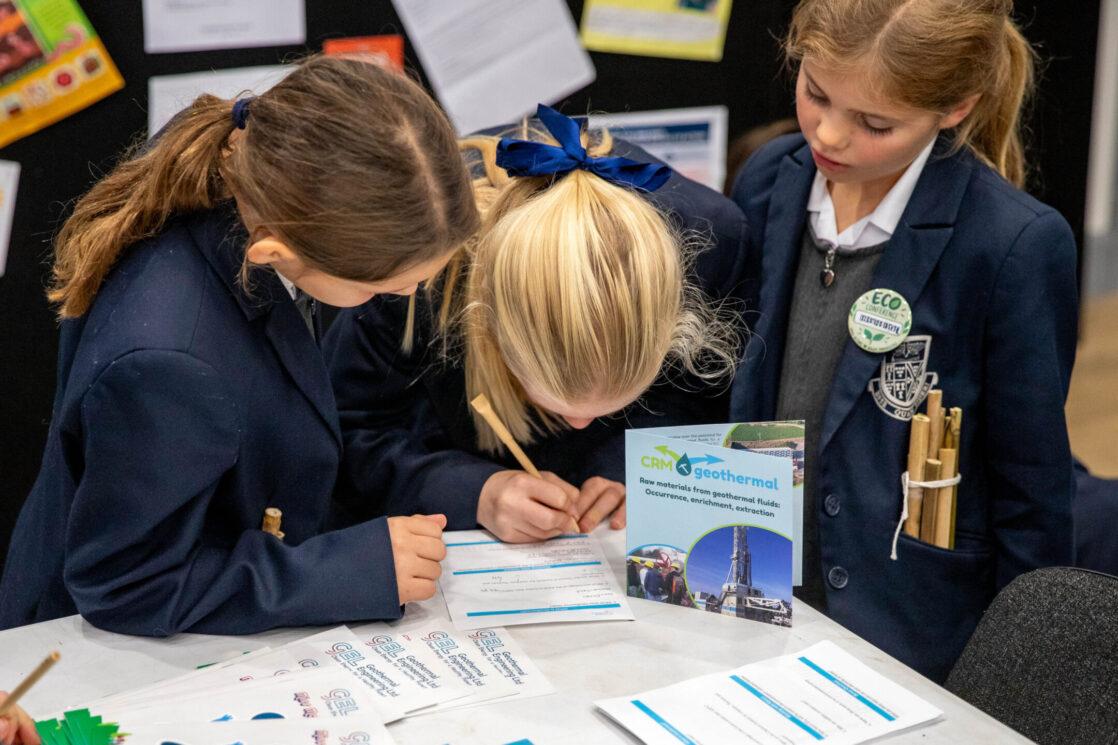
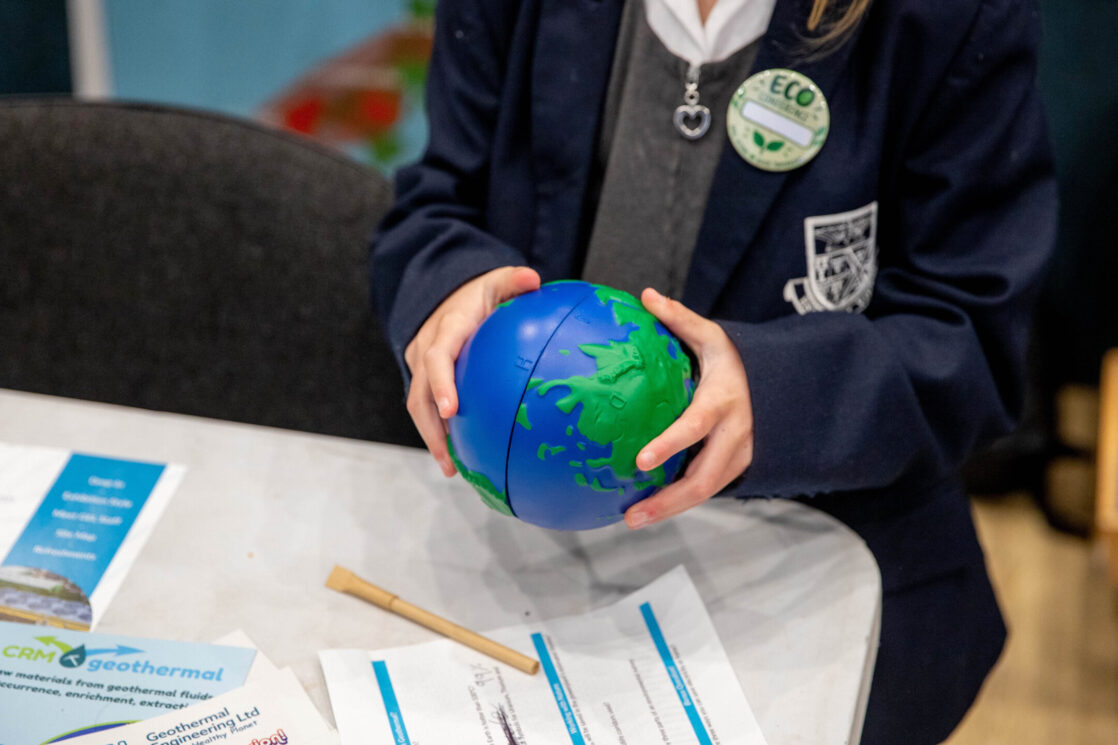
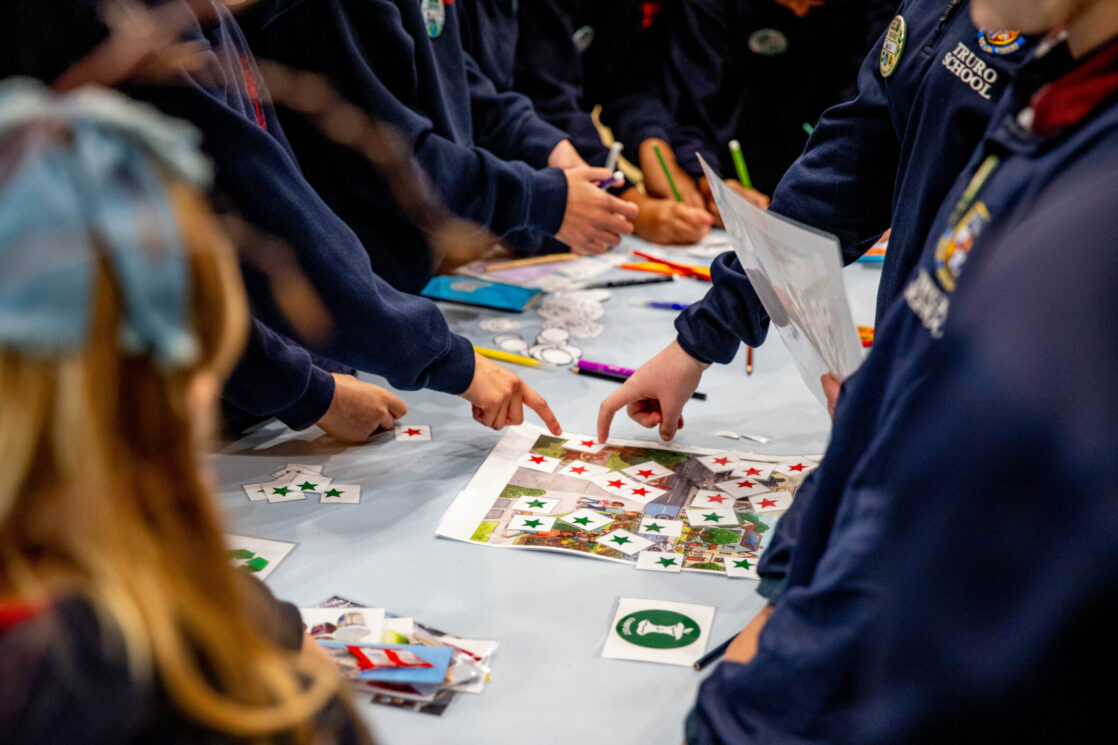
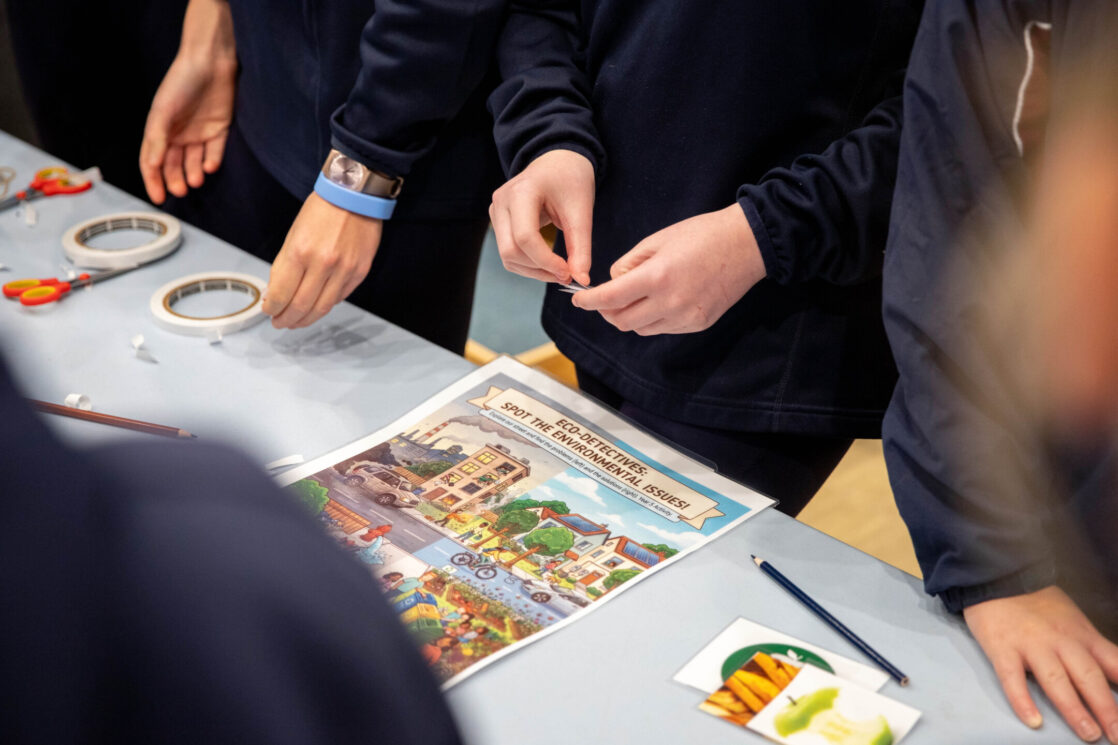
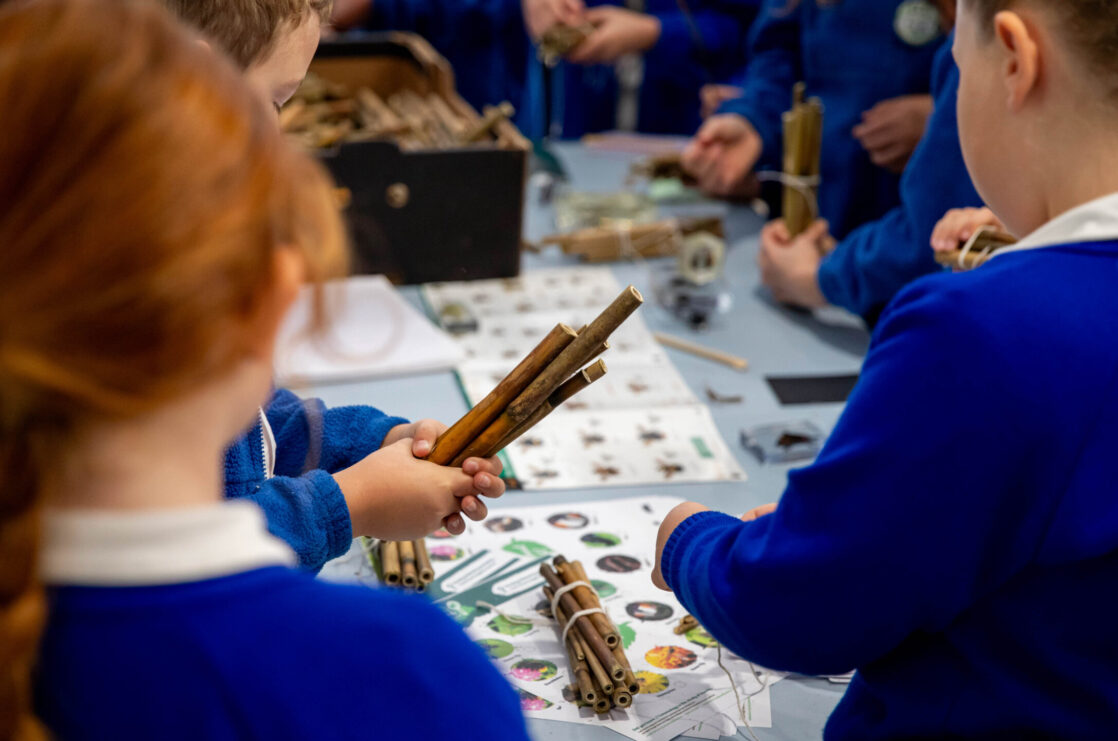
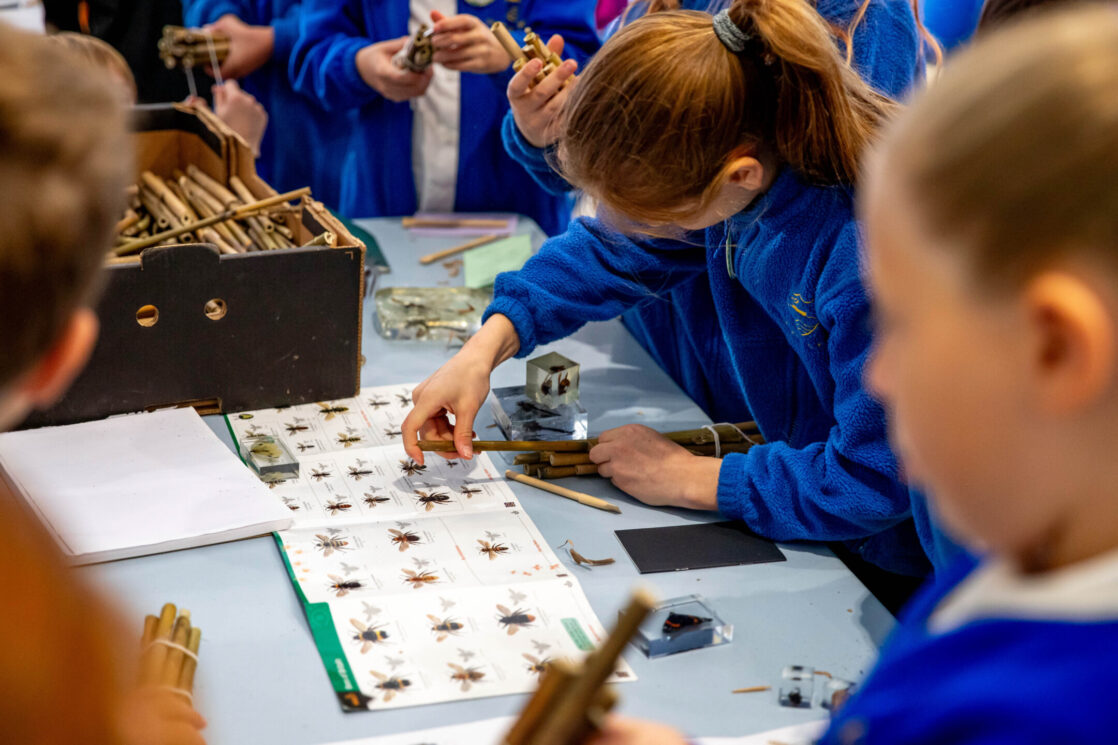
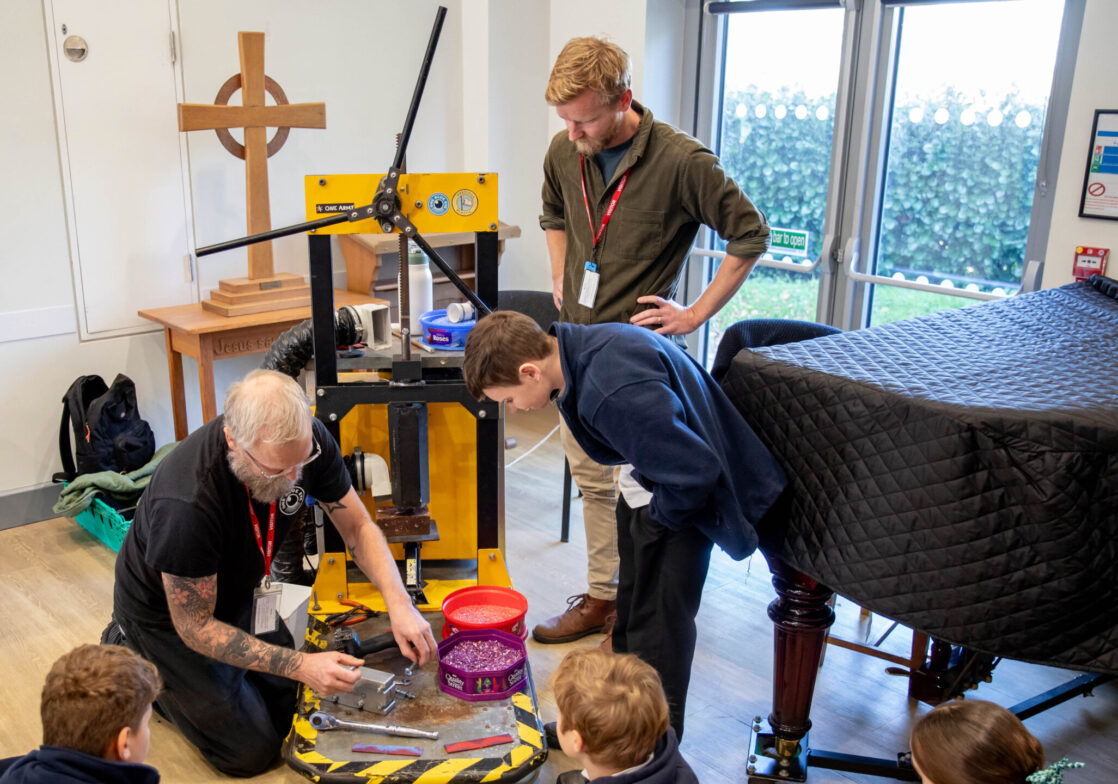
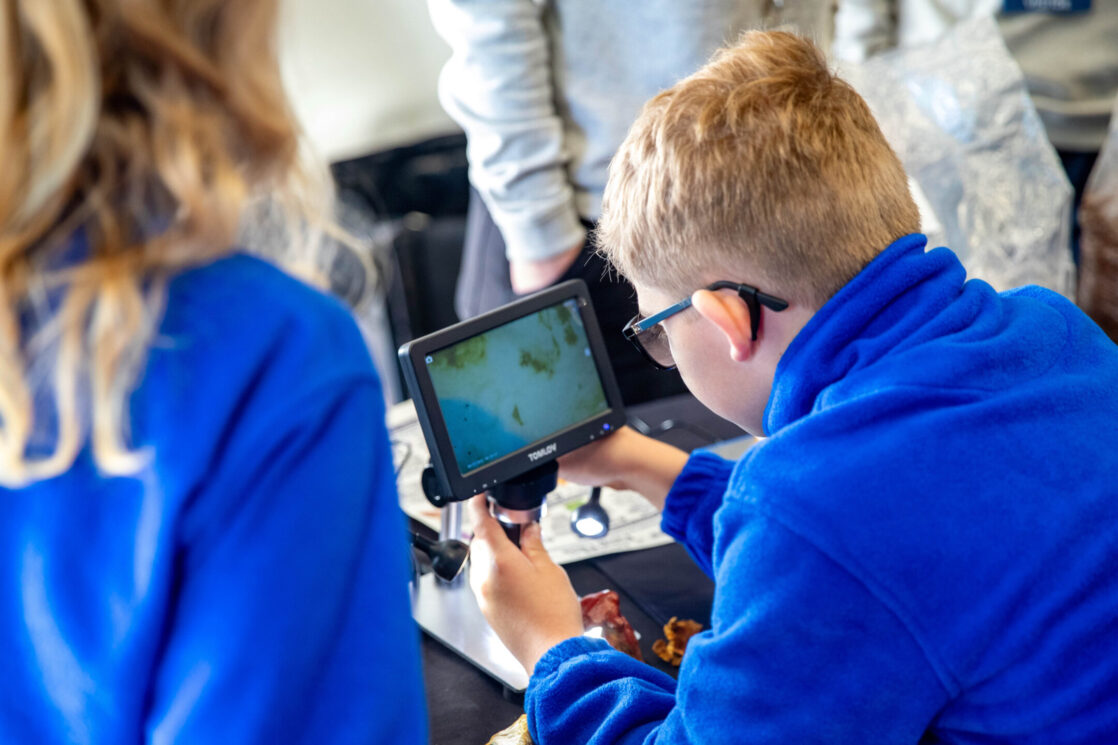
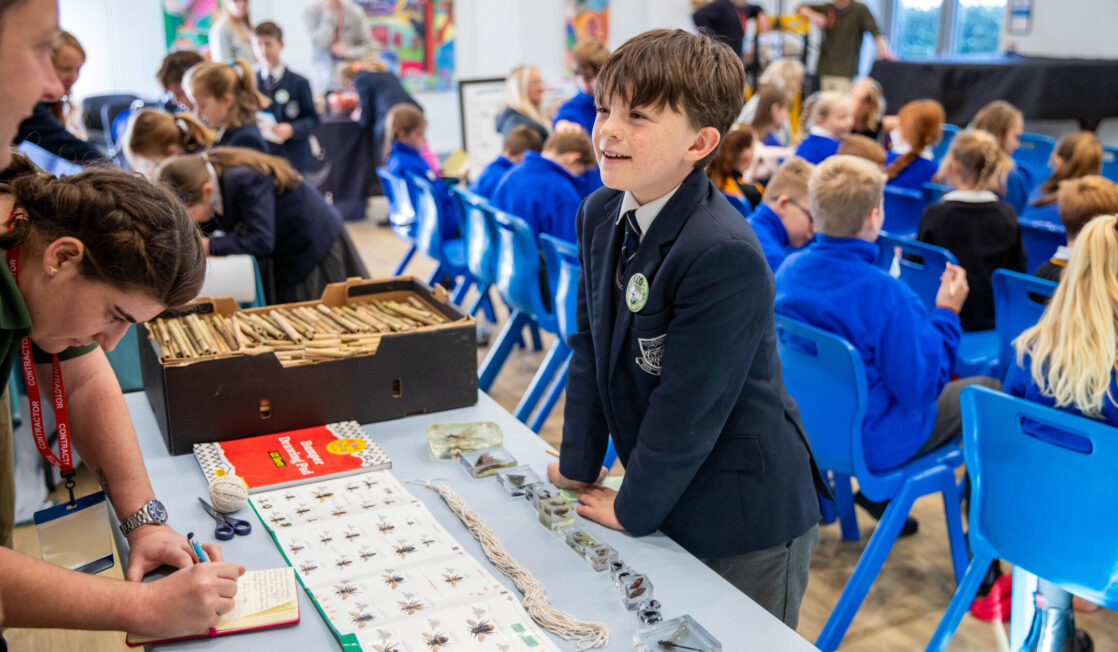
At the conference, pupils moved between practical sessions led by local experts. Matt from One Blue Eye helped pupils identify different plastics and ways to reduce their use, turning old plastic sweet tubs into a ruler for life. Amy and Lizzie from Cornwall National Landscape, representing the Landscape Connections Cornwall project funded by the National Lottery Heritage Fund, challenged pupils to view the natural world through different eyes. Claudia and Jane from GEL Energy taught pupils about renewable energy and extracting sustainable minerals, showing that science can be creative. Countryside Rangers, Anna and Steve, from Truro City Council, helped pupils build an insect hotel to take home and answered questions about the nature on our doorstep. Kate and Jamie from Falfungi showed why fungi and mycelium are vital to healthy ecosystems, while the Truro School Eco Committee invited pupils to become eco detectives and explore a street, spot environmental problems and propose solutions.
How can schools work with local businesses on sustainability?
By inviting them in to teach, each contributor showed pupils a real area of work connected to the environment, from energy and conservation to materials science. Truro School’s partnerships with the Power of 10 Charity, Beach Guardian and Healeys Cyder Farm show how these relationships can lead to lasting change, from sustainable sourcing to community action. Schools can start by contacting local councils, landscape organisations and environmental businesses, who are often keen to share their expertise.
How can primary and secondary pupils learn from each other?
Bringing different year groups together builds confidence and leadership. During the conference, younger pupils heard directly from the Senior Eco Committee, while older pupils saw how enthusiastic the next generation is about protecting the environment. Pupils from six different schools shared ideas and left with contacts and projects to take back to their own school communities.
How can young people make a difference locally?
Start small and start close to home. At Truro School, pupils recycle glue sticks, carry refillable pens in their pencil cases, take part in the Greenpower electric car race, and build wildlife habitats. The Senior School is now planning a Waste Audit using new data from Biffa, alongside work towards completing Count Your Carbon. At the conference, pupils learned how to cut plastic use, support insects and wildlife and spot problems in their own streets.
About the event
The Eco Conference at Truro School Prep included a welcome and shared-ideas session, practical workshops, a break for informal networking, and a closing debrief and reflection. Truro School Prep thanks Mrs Knight, Mrs Stableforth and Mrs Luxton for organising the event, and all of the pupils and businesses who made it such a success.
Get involved in the next Eco Conference
Schools and businesses interested in taking part next time are welcome to email Mrs Knight at [email protected].
Nov 4th 2026
Nov 4th 2026
Nov 3rd 2026
Nov 3rd 2026
Nov 2nd 2026
Oct 29th 2026


Truro School is part of the Methodist Independent Schools Trust (MIST)
MIST Registered Office: 66 Lincoln’s Inn Fields, London WC2A 3LH
Charity No. 1142794
Company No. 7649422