Back
- Nursery
- Prep
- Senior
- Sixth
- Home
- Contact Us
- Admissions
- Boarding

Date Posted... Jan 9th 2026
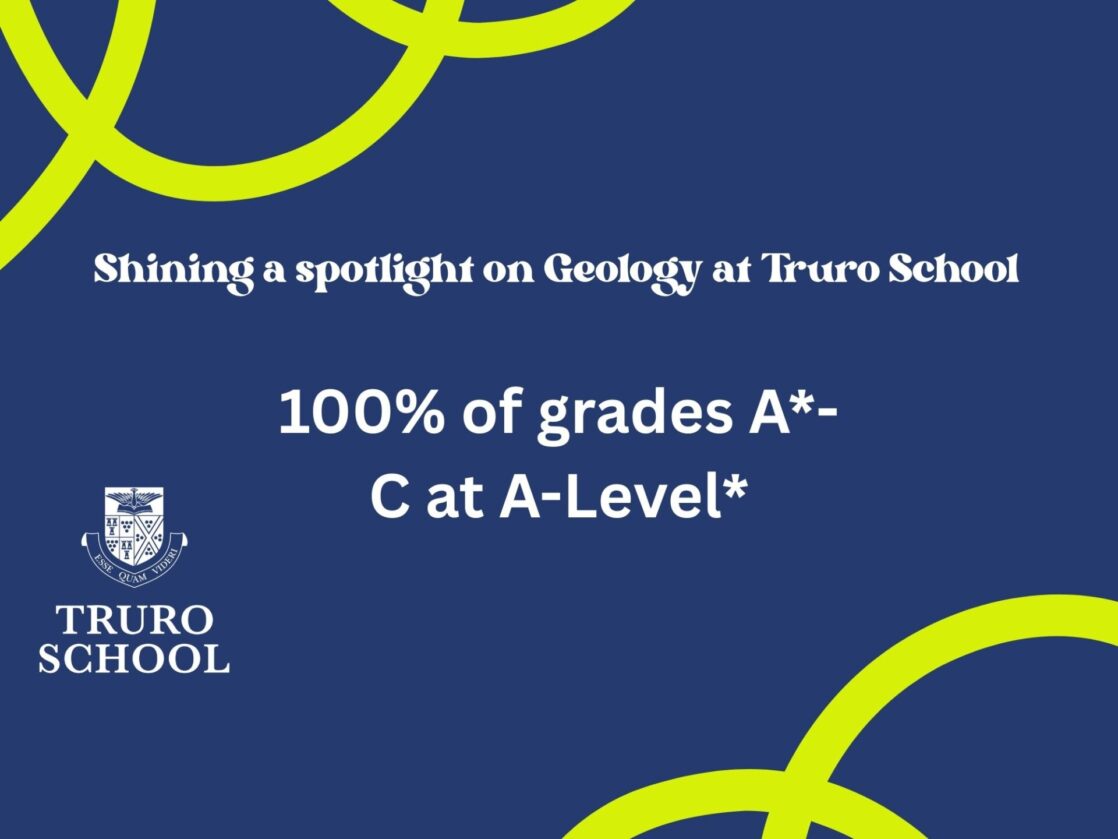
Widely recognised as one of the leading Geology departments in the country, Truro School’s results speak for themselves.
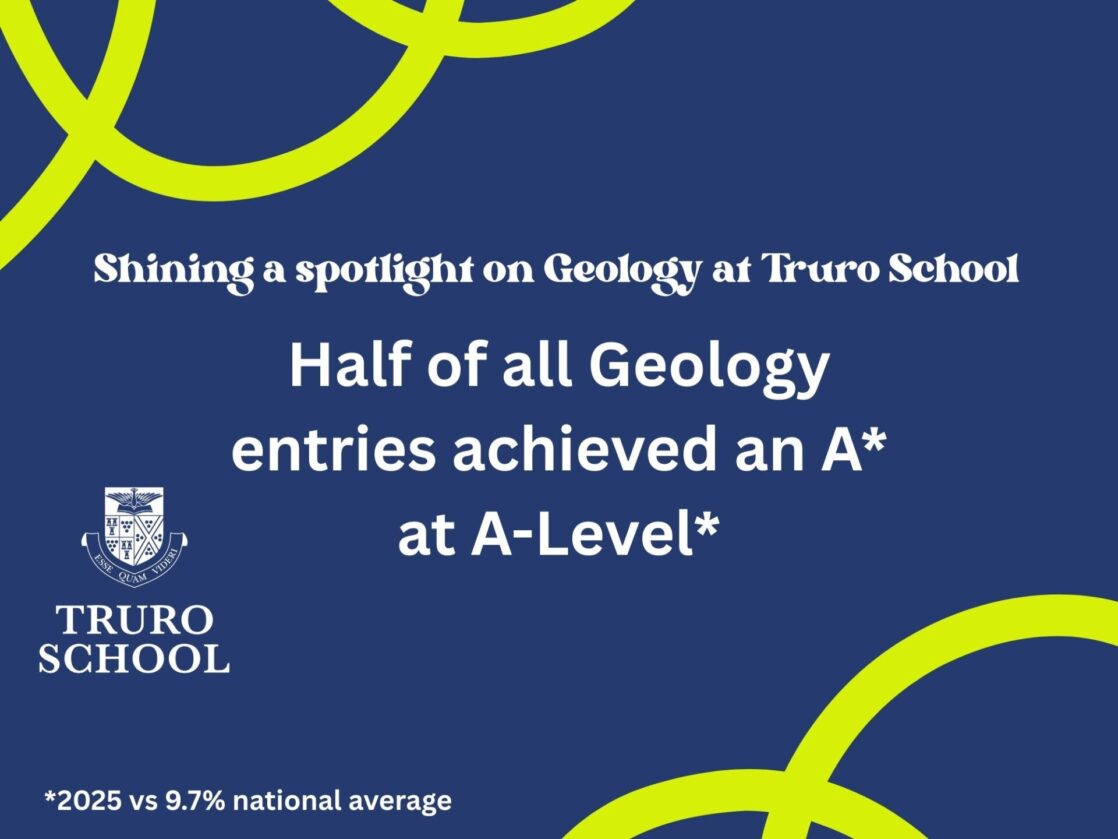
In 2025, half of all Geology entries achieved an A* grade at A-Level, compared with a national average of just 9.7%.
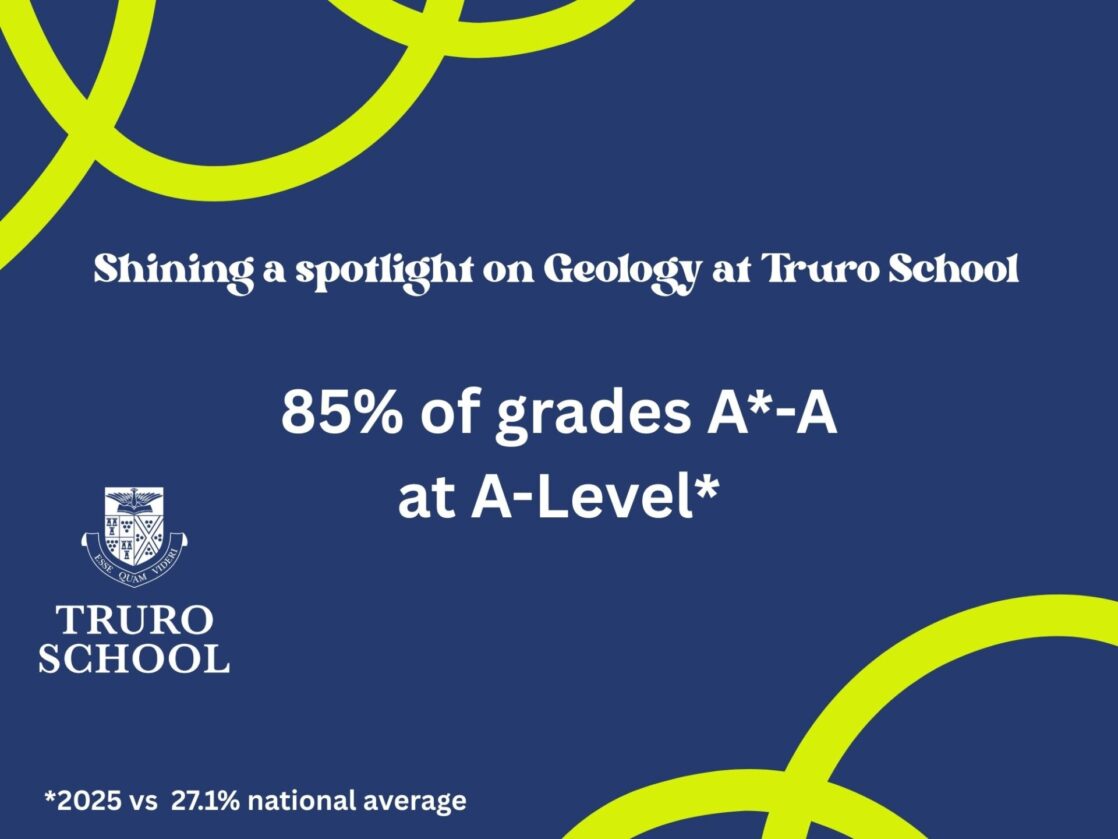
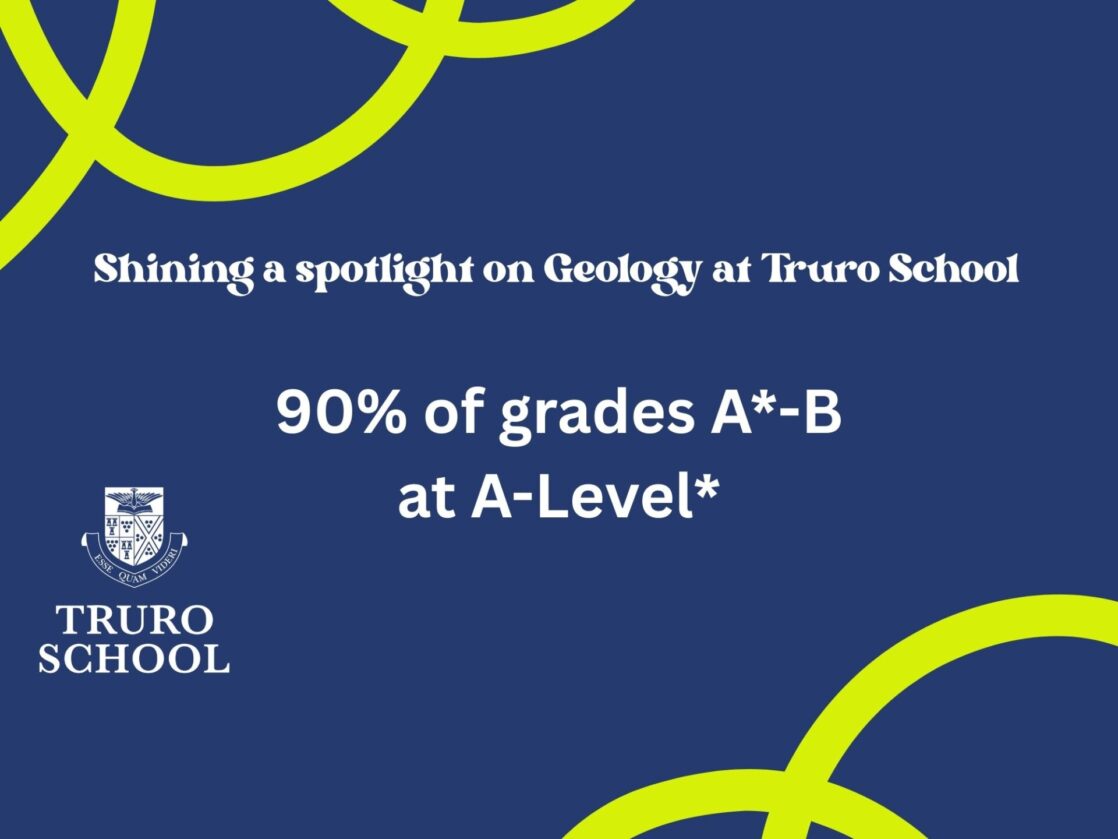
An exceptional 85% of students secured A*–A grades (nationally 27.1%), while 90% achieved A*–B and 100% achieved A*–C, significantly outperforming national figures at every level.
Furthermore, students regularly accumulate a multitude of prestigious university offers, including Durham University, Imperial College London, University of Oxford, University of St Andrews, Leeds University, Keele University, Exeter, Camborne School of Mines and Cardiff University.
In addition, our value-added scores are exceptional for Geology and put us firmly in the top-performing A-Level providers in the UK.
ALPS scores are a national benchmark that focuses on value-added, or the difference between the actual A-Level grades a student achieves and the expected grades based on their prior attainment. ALPS scores show us the impact that the education provided at Truro School Sixth Form makes to every student.
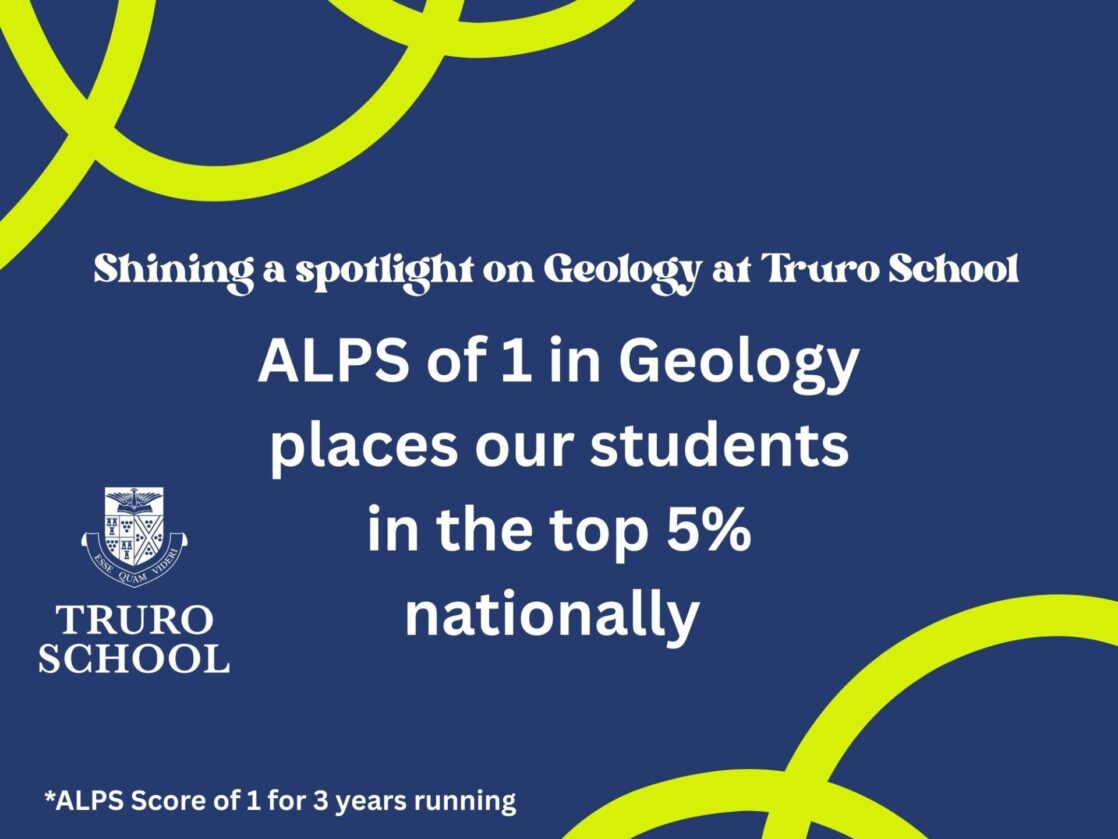
Graded 1-9, an Alps score of 1 means a student or institution is in the top 5% of performance against national benchmarks, representing the best possible outcomes and exceeding expectations.
We are proud to report that we have maintained an ALPS of 1 in Geology for the past three years, consistently placing our students in the top 5% nationally, which is a testament to our teaching and the systems our A-Level teams put in place to help our students succeed.
These outcomes are not the result of narrow exam coaching, but of a department that combines academic rigour with curiosity-driven teaching, outstanding fieldwork and a deep understanding of how students learn best.
At the heart of the department is Head of Geology, Miss Justine Hope, whose own journey into the subject mirrors the experience of many Truro School students.
First captivated by volcanoes and earthquakes during her school years, she discovered at A-Level that Geology offered something rare: a subject rooted in rigorous science yet deeply connected to the real world. That combination led her to study Geology at the University of Leicester, followed by a PGCE in Science with a specialism in Earth Science at Bath University.
“Geology just clicked,” she explains. “It offered scientific challenge, but also relevance to landscapes, resources, hazards and climate. It helps you understand how the Earth actually works.”
After becoming Head of Geology at Reading Blue Coat School, the move to Truro School was a natural next step. “The department’s reputation is exceptional, and Cornwall itself is an extraordinary geological classroom,” she says.
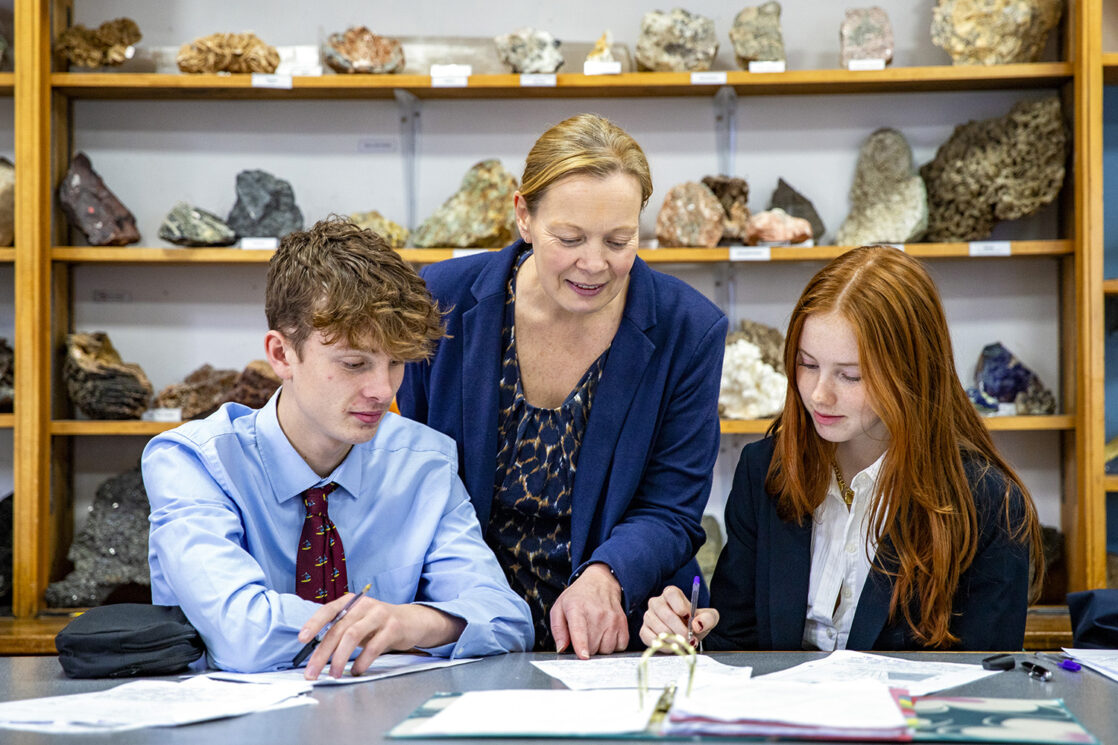
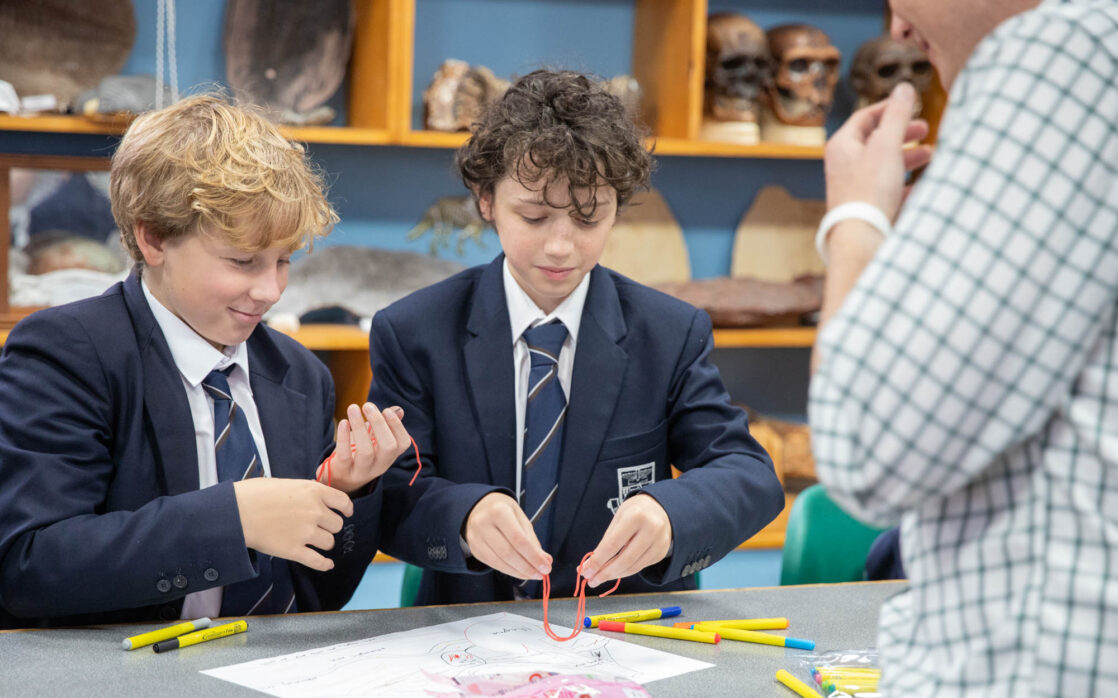
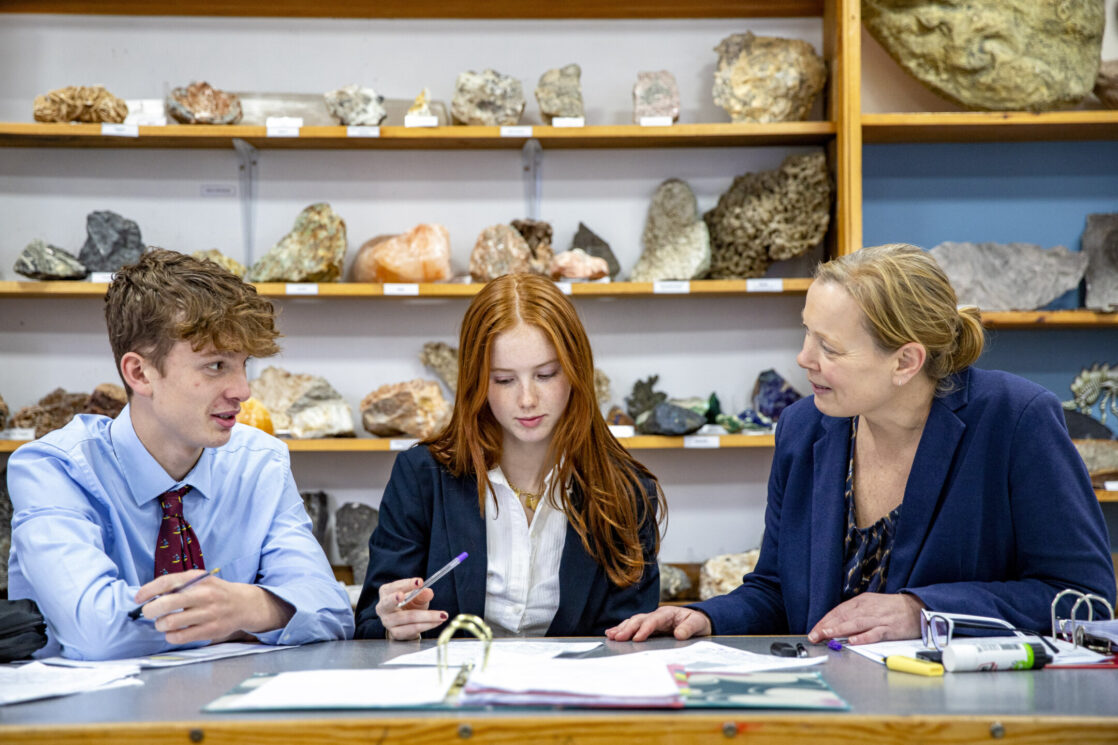
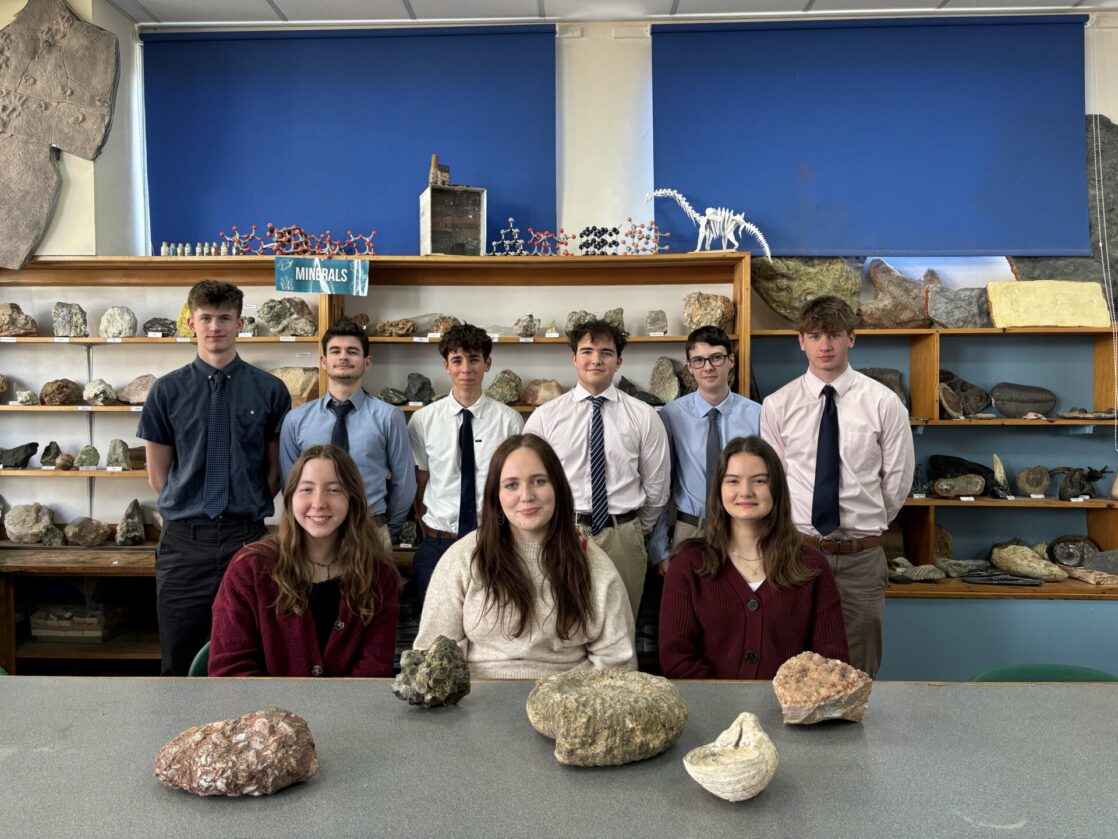
One of the defining strengths of Geology at Truro School is its accessibility. While the subject tackles complex ideas, from plate tectonics to Earth history, teaching is grounded in the physical world. Lessons are highly visual and interactive, making full use of specimens, models and hands-on demonstrations.
“Geology lends itself to being tangible,” Miss Hope explains. “You can hold it, see it, test it. Whether it’s examining real rock samples or using something as simple as a Swiss roll to explain folding, we want ideas to stick.”
This approach consistently reignites a sense of childhood wonder in students; the instinct to pick up stones on the beach or examine fossils more closely, and channels it into sophisticated scientific thinking.
Fieldwork is central to the department’s philosophy, and it is deliberately inquiry-led. Rather than being told what to see, students are encouraged to observe, question, interpret evidence and form their own conclusions.
“Our aim is to develop thinkers, not passive learners,” says Miss Hope. “Students work collaboratively to solve real geological problems, building confidence, independence and scientific judgement.”
Theory and practice are never treated as separate. Classroom learning is continually reinforced through practical investigations, specimen analysis and field studies, allowing students to apply knowledge in authentic contexts and understand why it matters.
Few schools can rival Truro School’s location for geological study. Cornwall’s internationally significant landscape provides a natural laboratory, and students benefit from a rich programme of local and national fieldwork.
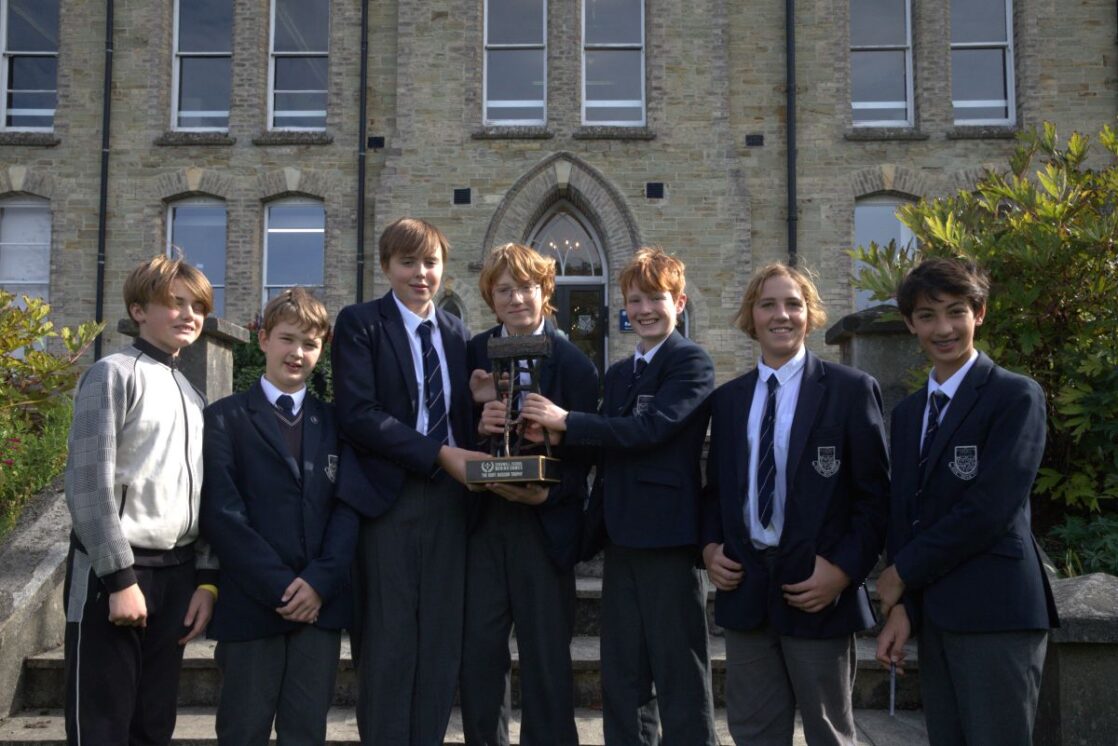
Beyond this, students are challenged academically through initiatives such as the UK Schools Geology Challenge. Current Sixth Form projects include advanced research into mantle mountain formation and the tectonic evolution of north-west America, work more commonly associated with undergraduate study.
The department’s commitment to future pathways is equally impressive. Over the past two years, around 50% of Geology students have gone on to study Earth science-related degrees, with ten students progressing to university courses last year and another ten this year. An extraordinary outcome for such a specialist subject.
Geology at Truro School is firmly future-facing. Students are actively introduced to the breadth of careers available within the geosciences through visits, lectures and industry links.
The recently launched Earth Matters lecture series has welcomed professionals from leading Cornish organisations, including GEL, Cornish Lithium, Cornish Metals and Imerys. Students also visit companies such as Grinding Solutions Ltd and Wheal Jane Consultancy, as well as working quarries in North Somerset, gaining first-hand insight into resource management, extraction and environmental responsibility.
Alumni regularly return to share their university and career experiences, while visiting lecturers from university departments help demystify higher education and research pathways.
Studying Geology gives students a powerful lens through which to understand global challenges. From natural hazards and climate change to sustainability and resource use, it equips young people with the knowledge to engage thoughtfully with the future.
“It helps students understand that if something can’t be grown, it has to be responsibly extracted,” Miss Hope explains. “Geology gives them the scientific framework to weigh society’s needs against environmental protection.”
Student feedback consistently reflects the department’s impact. Pupils describe Geology as “inspirational”, “engaging” and “a lesson I always look forward to”. Many highlight the supportive environment and the confidence they gain from being able to ask questions and think independently.
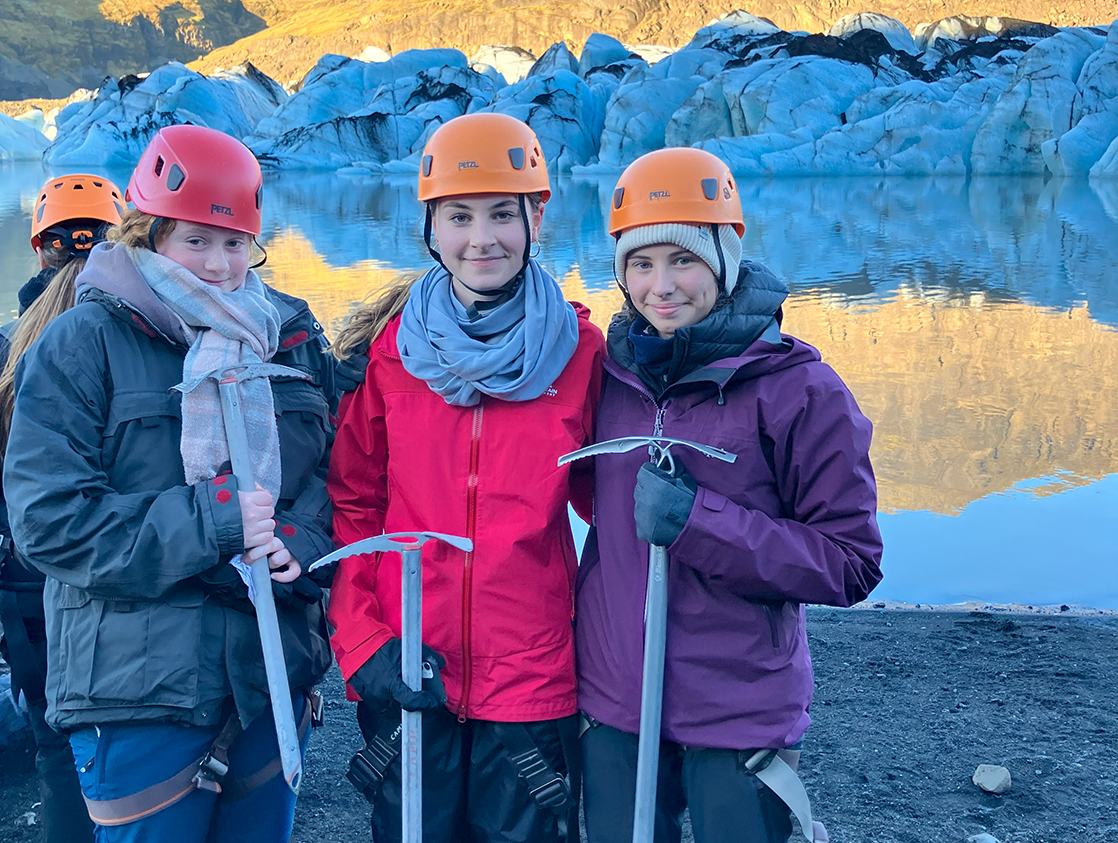
Fieldwork experiences are often transformational. Visits to quarries, hands-on investigations and international trips, particularly the Iceland expedition, are frequently cited as moments when interest turned into ambition. As one student explains, “Seeing geology first-hand is where my interest really began.”
For many, the influence is lasting. Students speak of applying to study Geology or Geoscience at university, inspired by “constant support from motivational teachers” and a department that believes in their potential.
While the department continues to refine and strengthen its already outstanding provision, one major highlight on the horizon is the next Iceland expedition in 2027, an unforgettable opportunity for students to explore volcanic, tectonic and glacial processes in one of the world’s most dramatic geological settings.
In a rapidly changing world, Geology at Truro School offers something rare: a subject that is intellectually demanding, deeply relevant and genuinely inspiring.
Through expert teaching, exceptional fieldwork and a culture of curiosity, the department not only teaches students about the Earth, but it also helps them understand their place within it.
A huge thank you to Miss Hope, Mr Blackie and all the wonderful Geology team!

Apr 8th 2026

Apr 7th 2026

Apr 2nd 2026

Apr 2nd 2026
Apr 2nd 2026
Apr 2nd 2026


Truro School is part of the Methodist Independent Schools Trust (MIST)
MIST Registered Office: 66 Lincoln’s Inn Fields, London WC2A 3LH
Charity No. 1142794
Company No. 7649422