Back
- Nursery
- Prep
- Senior
- Sixth
- Home
- Contact Us
- Admissions
- Boarding
Date Posted... Oct 10th 2025
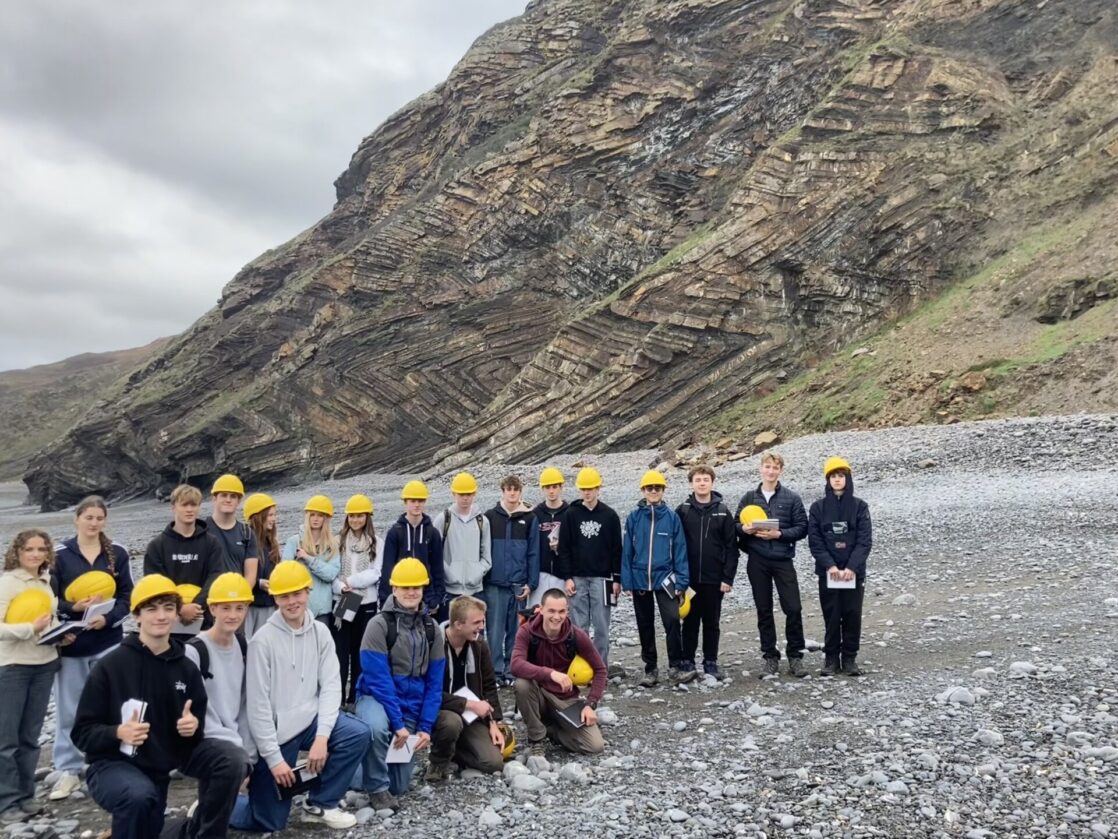
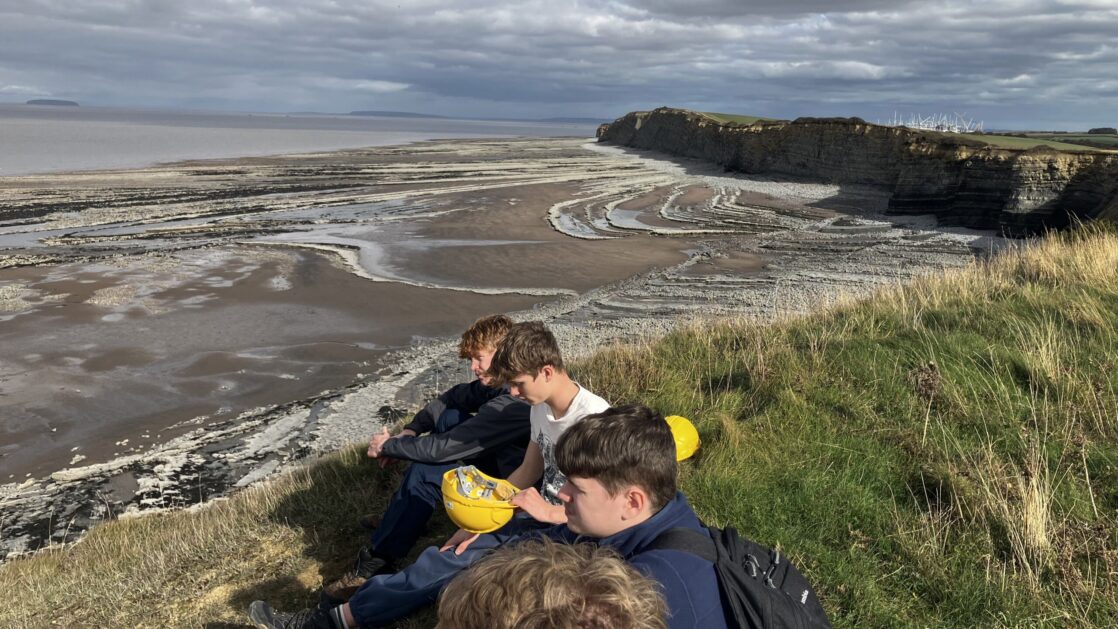
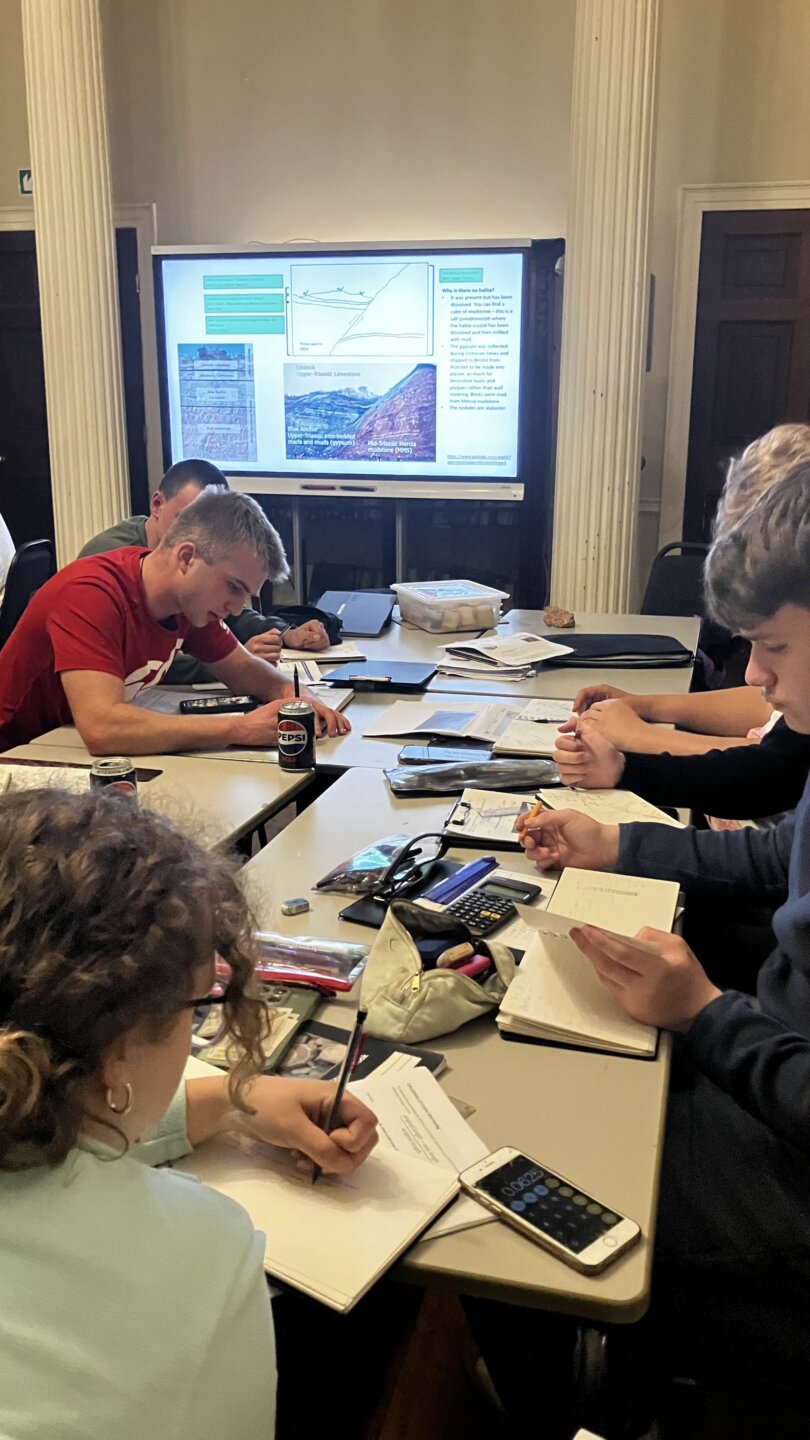
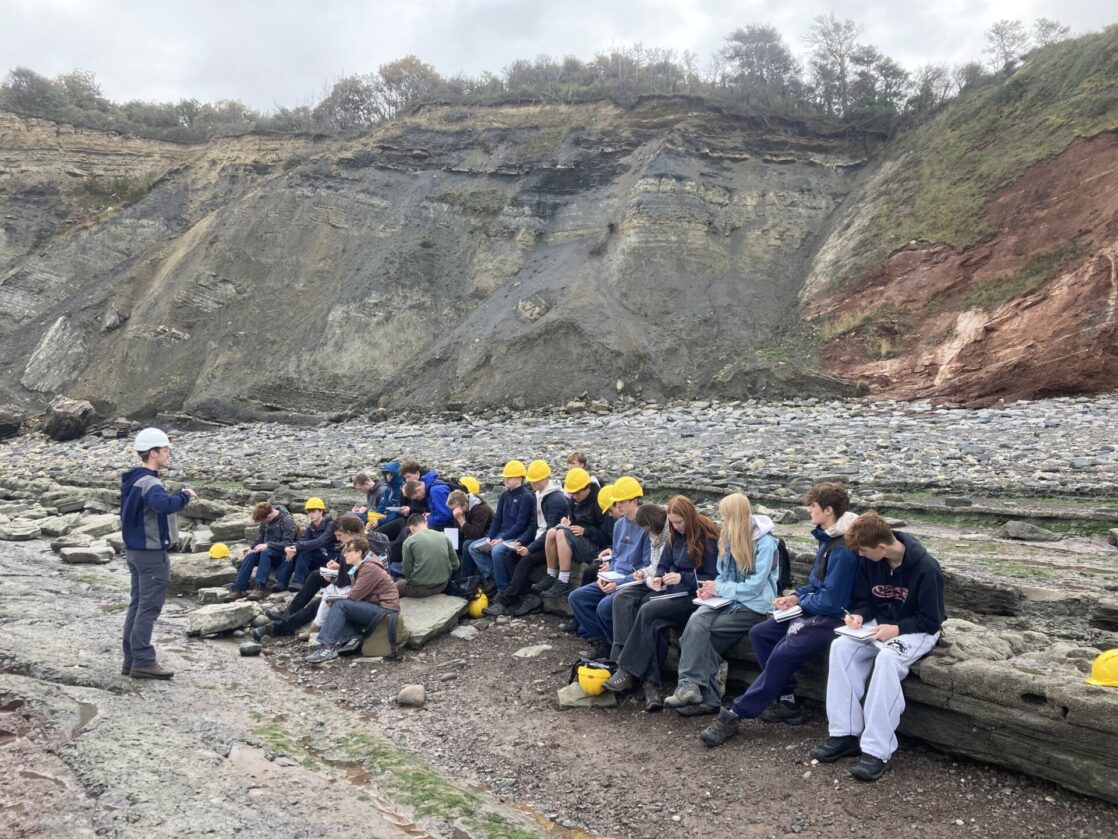
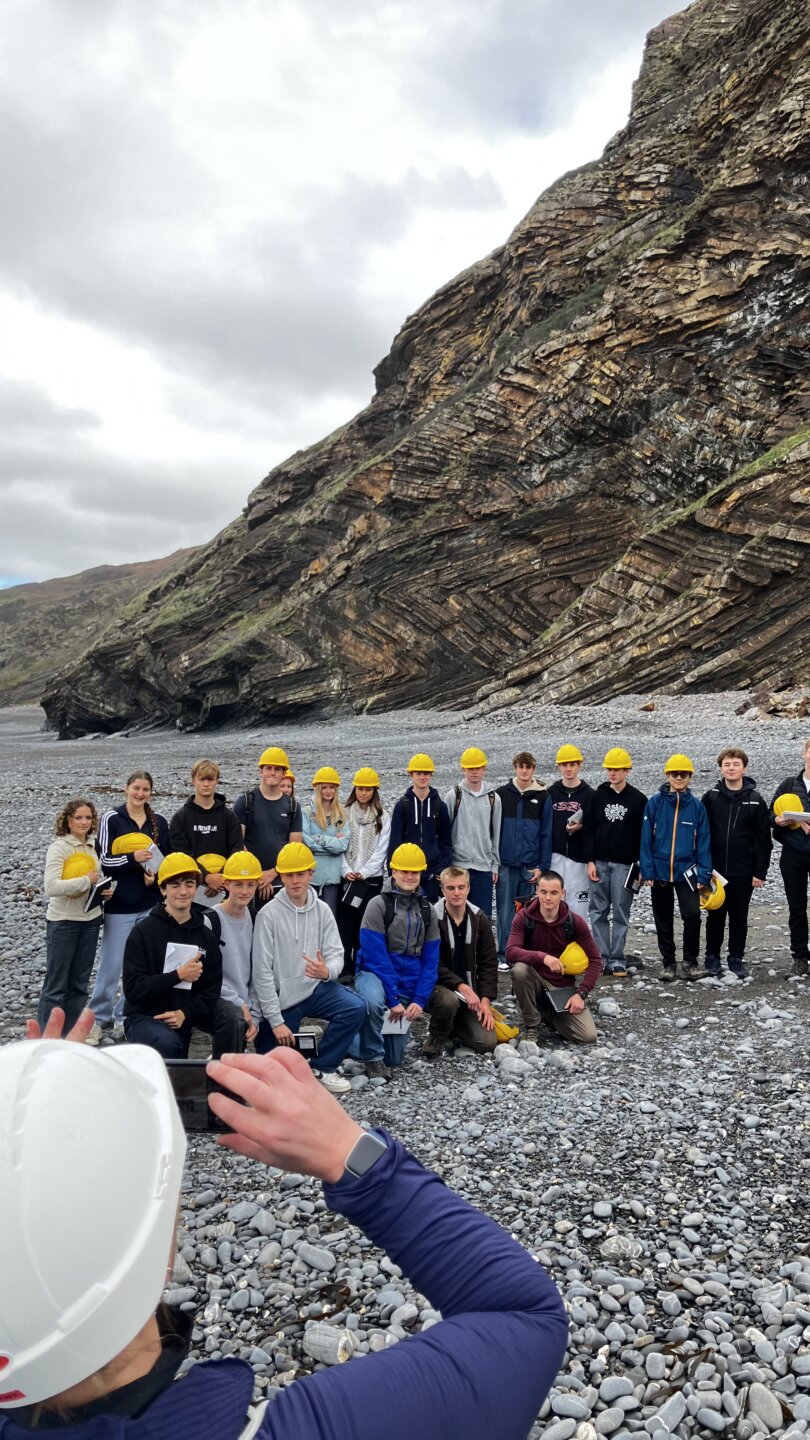
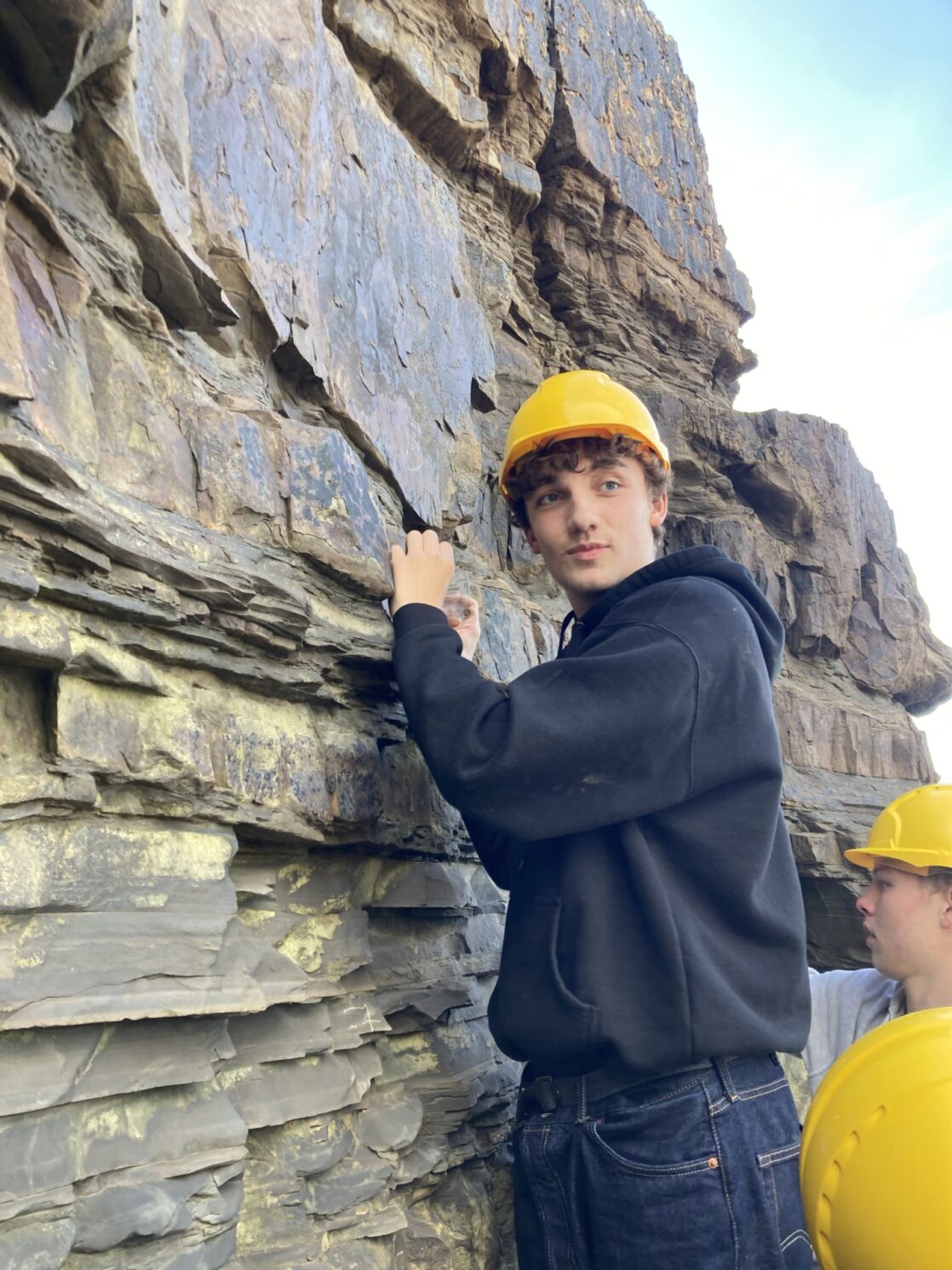
The Upper Sixth Geologists have just returned from an exciting three-day residential field trip exploring the fascinating geological history of North Cornwall, West Somerset, and the Mendips.
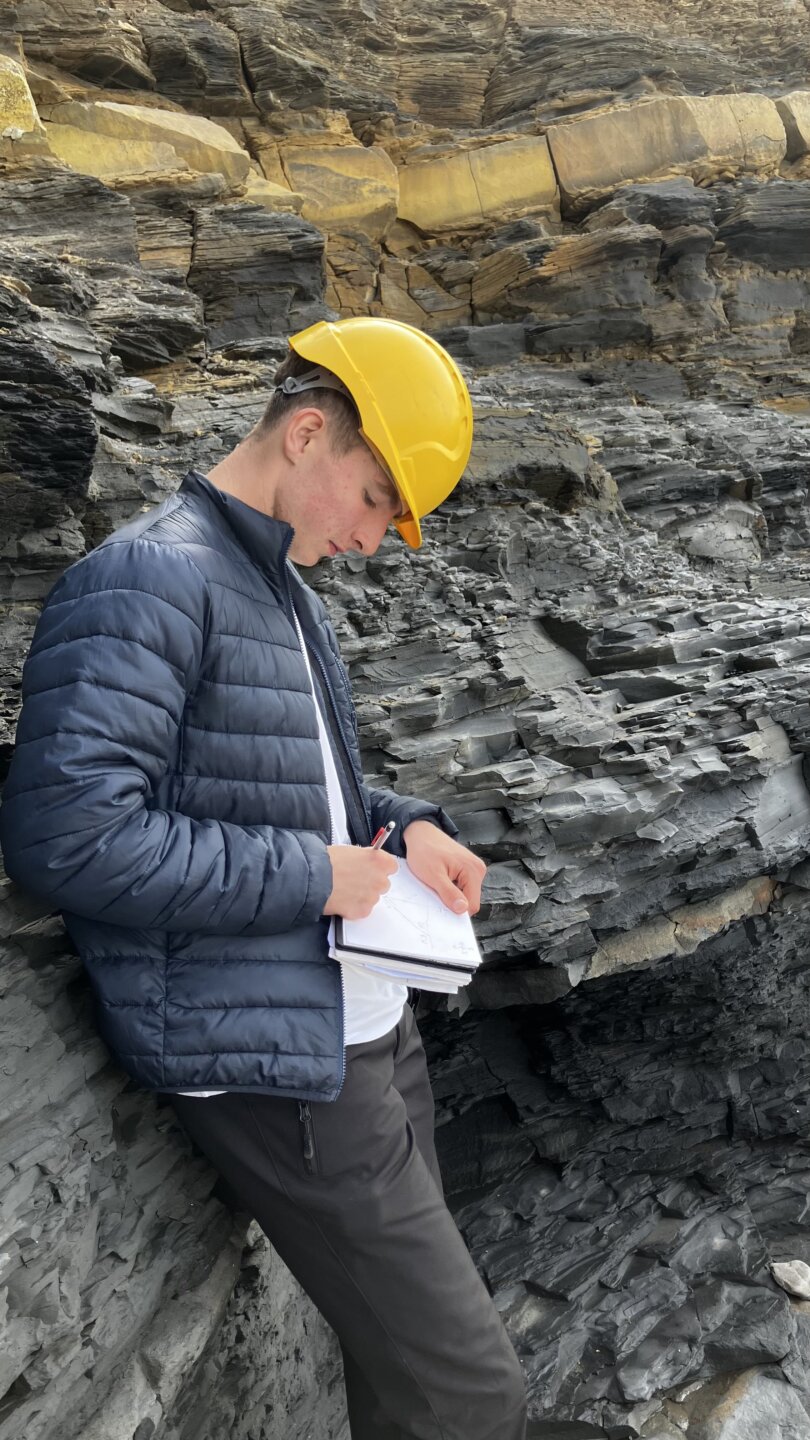
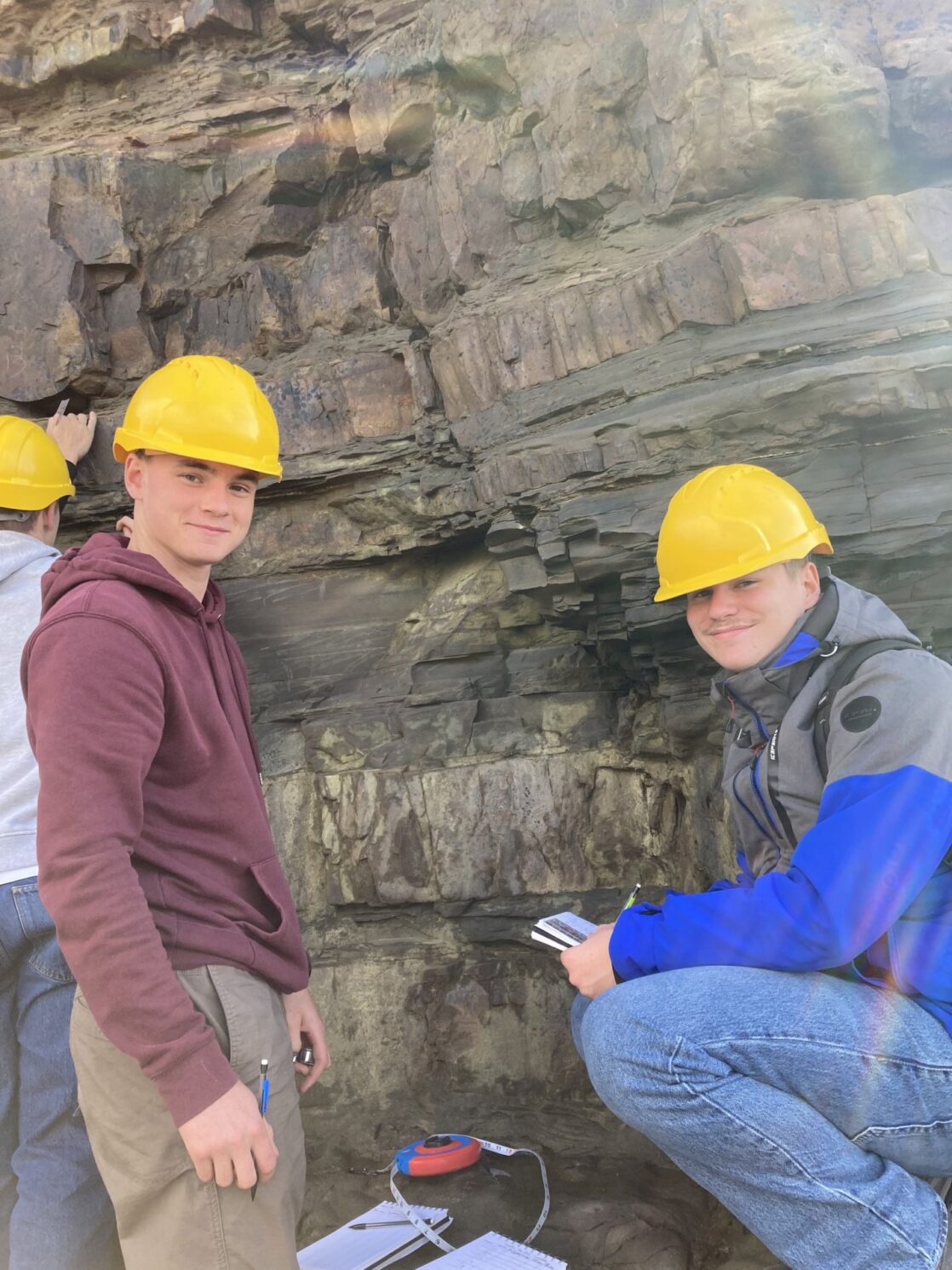
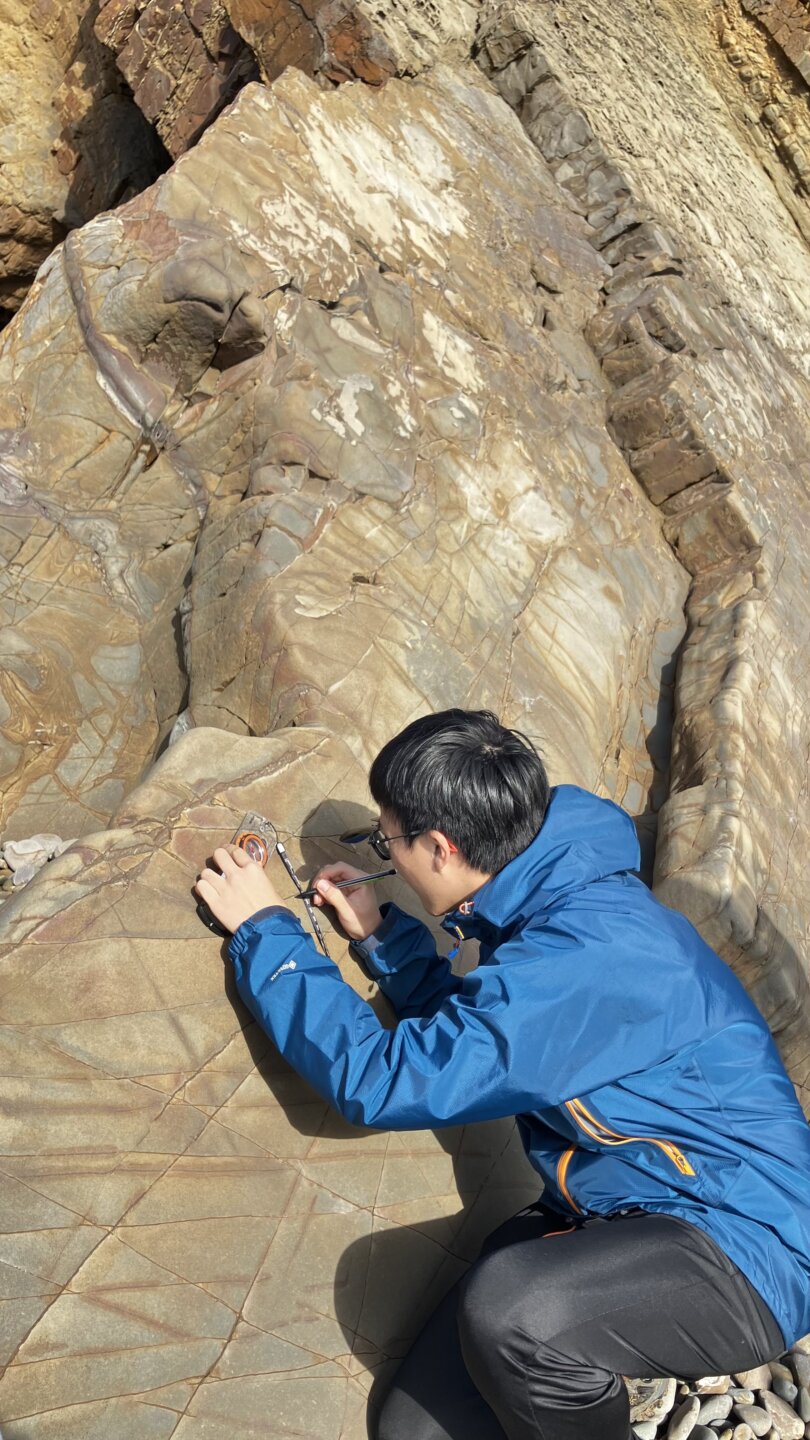
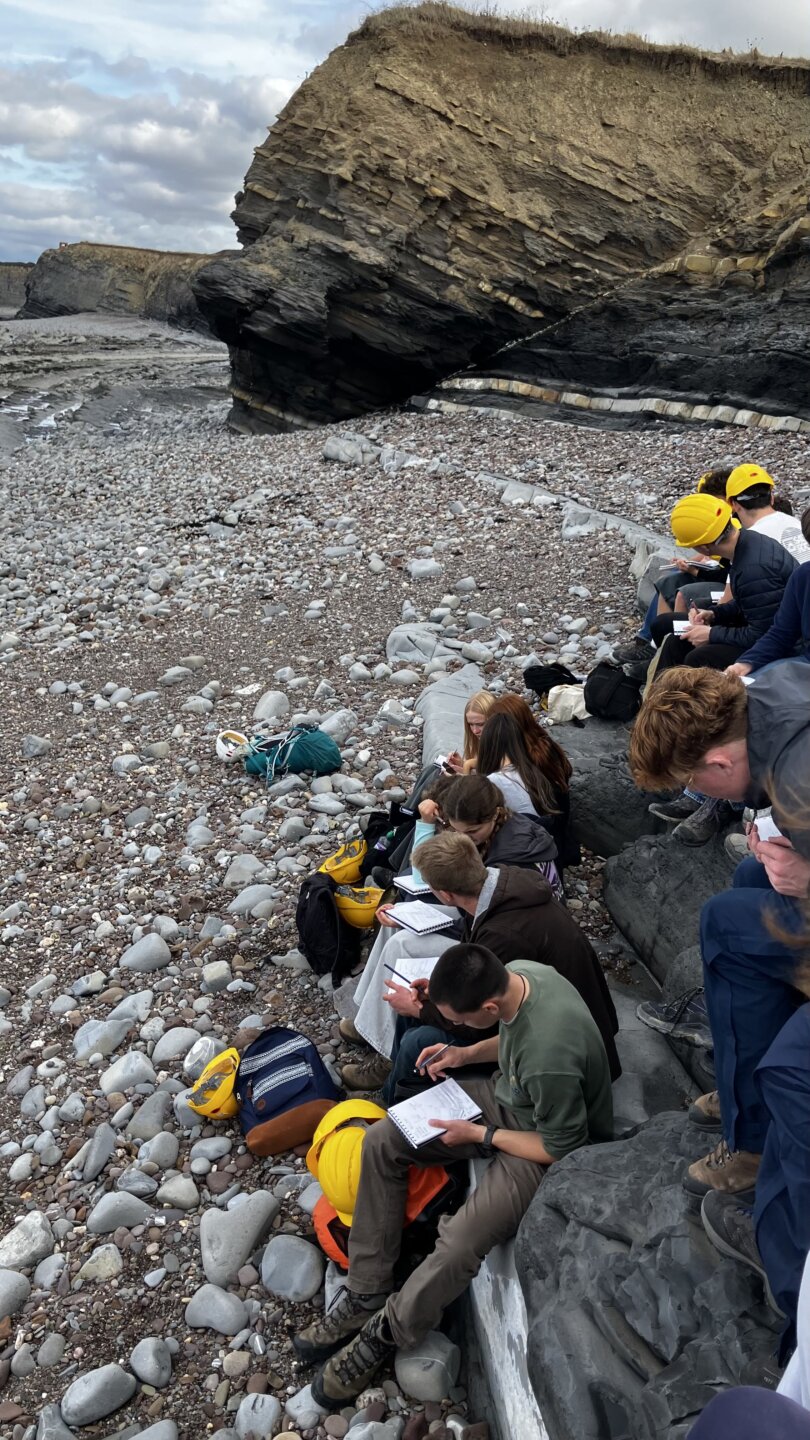
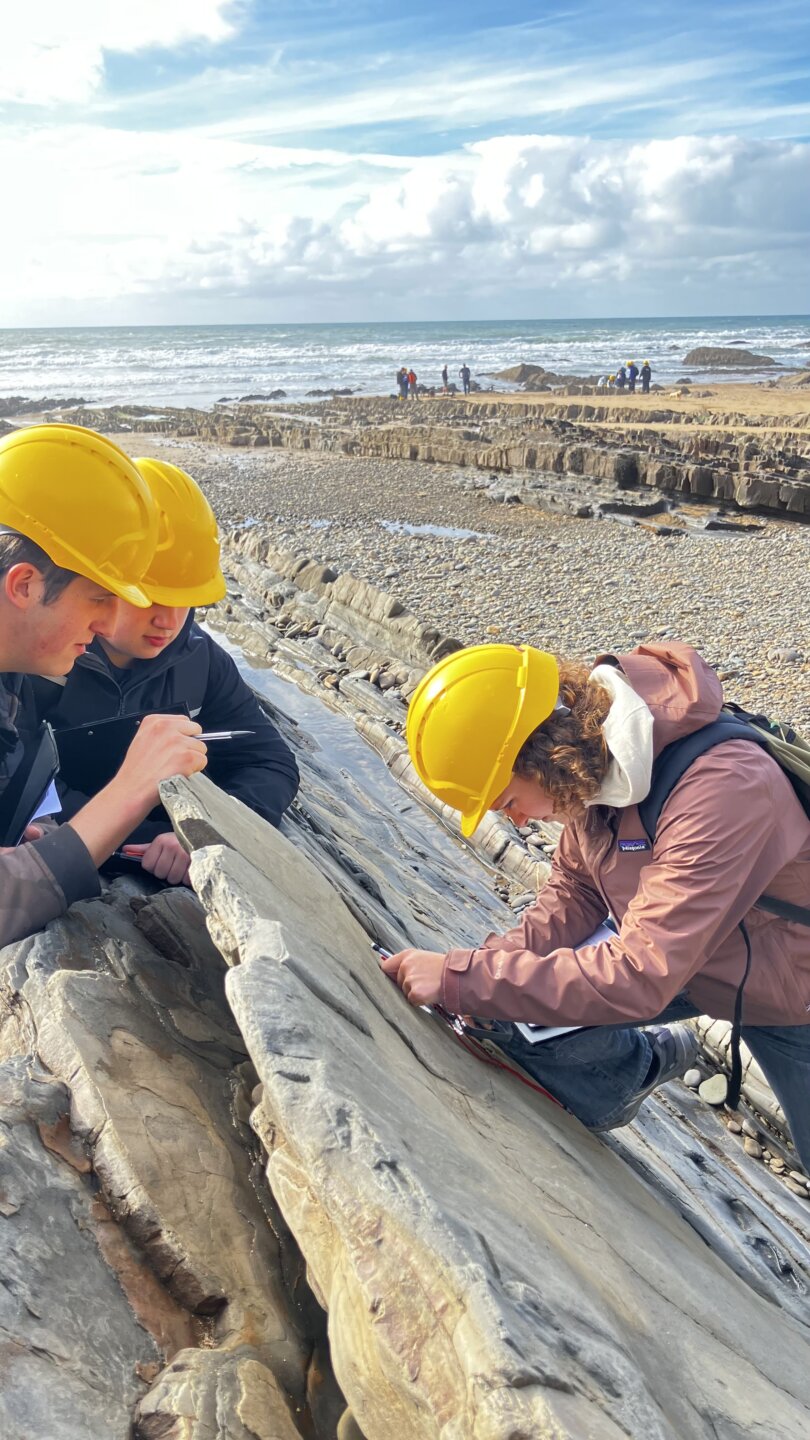
The first day began at the iconic Millook Haven, where pupils analysing the recumbent chevron folding that records continental collision 300 million years ago which crumpled sandstones and shales. At Crooklets Beach in Bude the group set about the challenging exercise of mapping the folds and faults which are present amongst the sand, which they tackled with great enthusiasm and developed their skills.
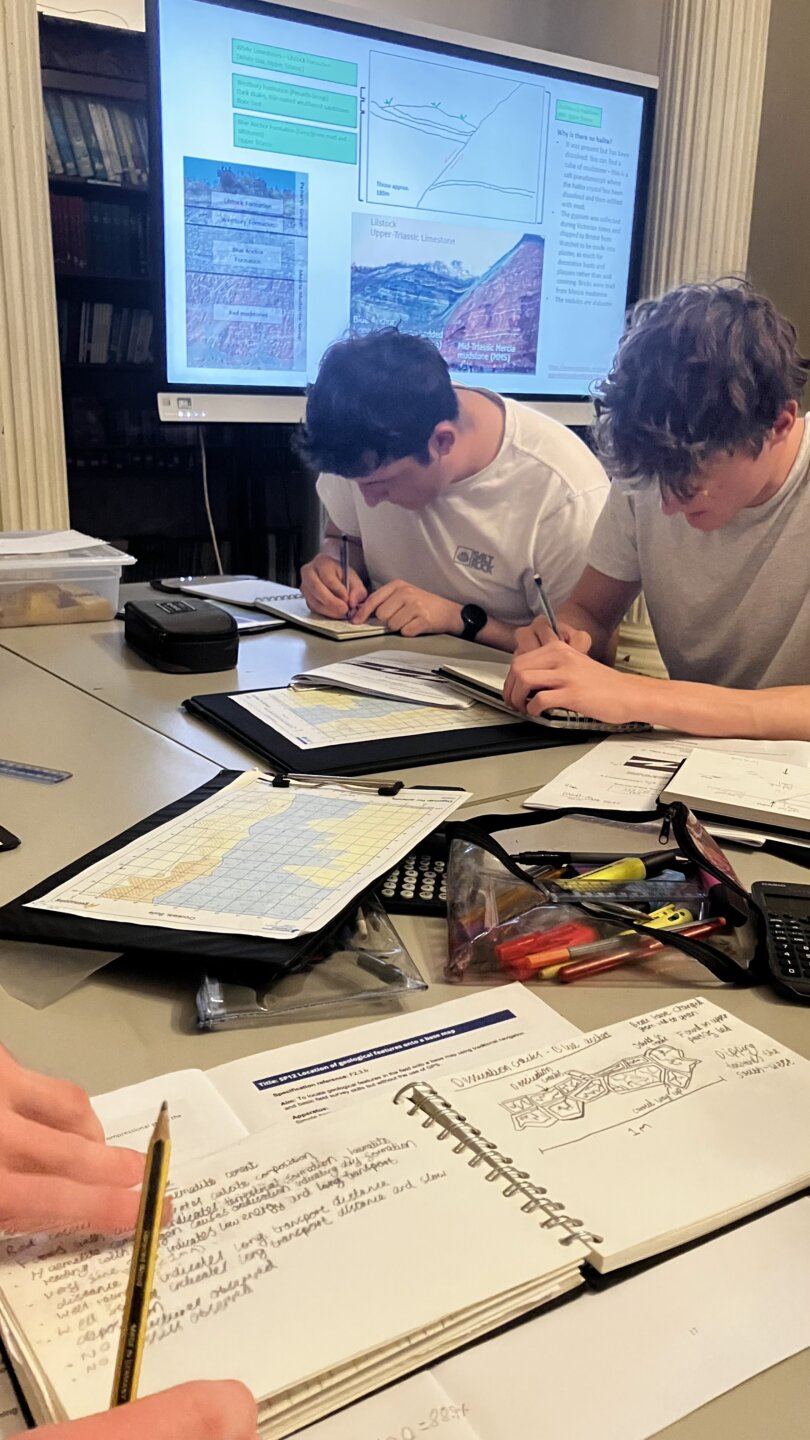
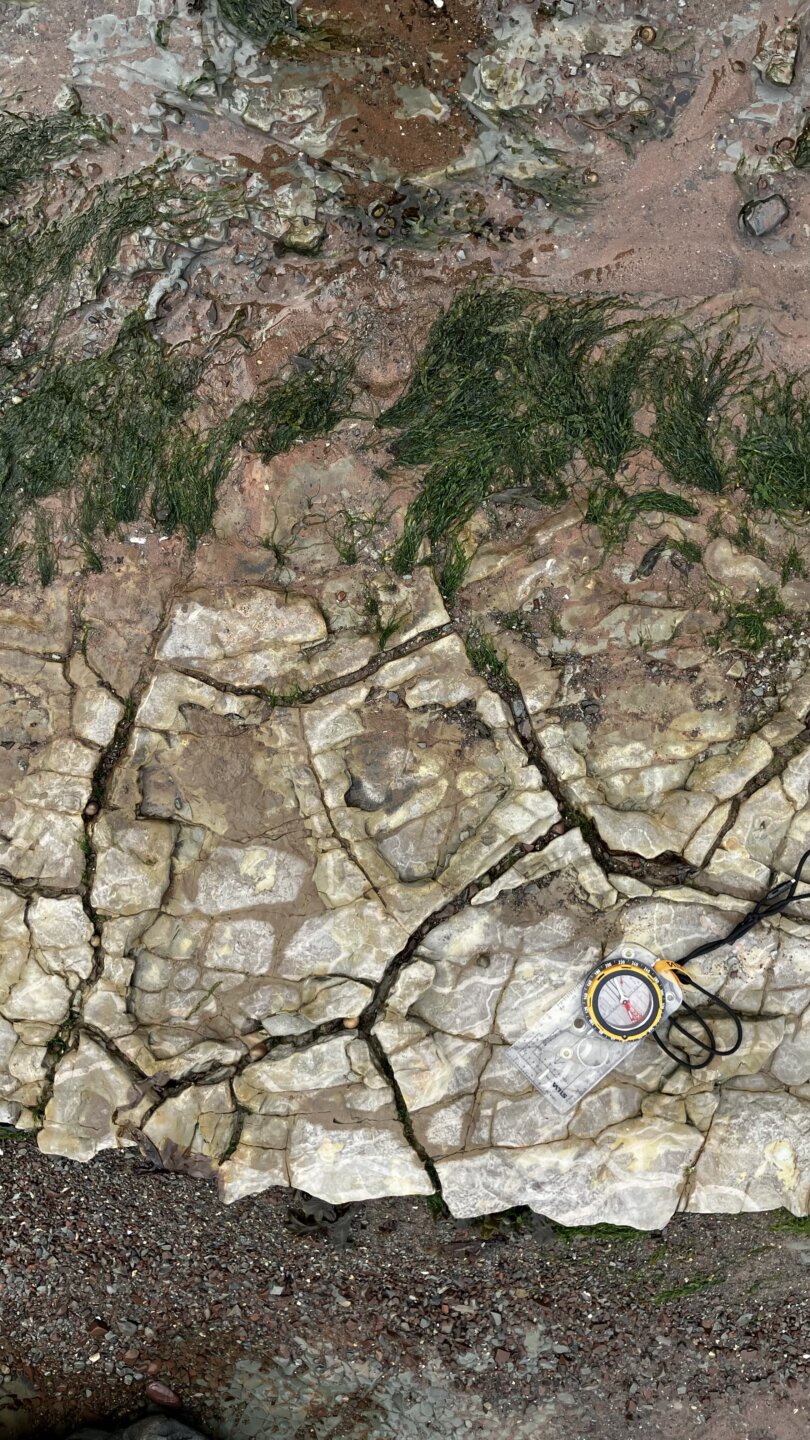
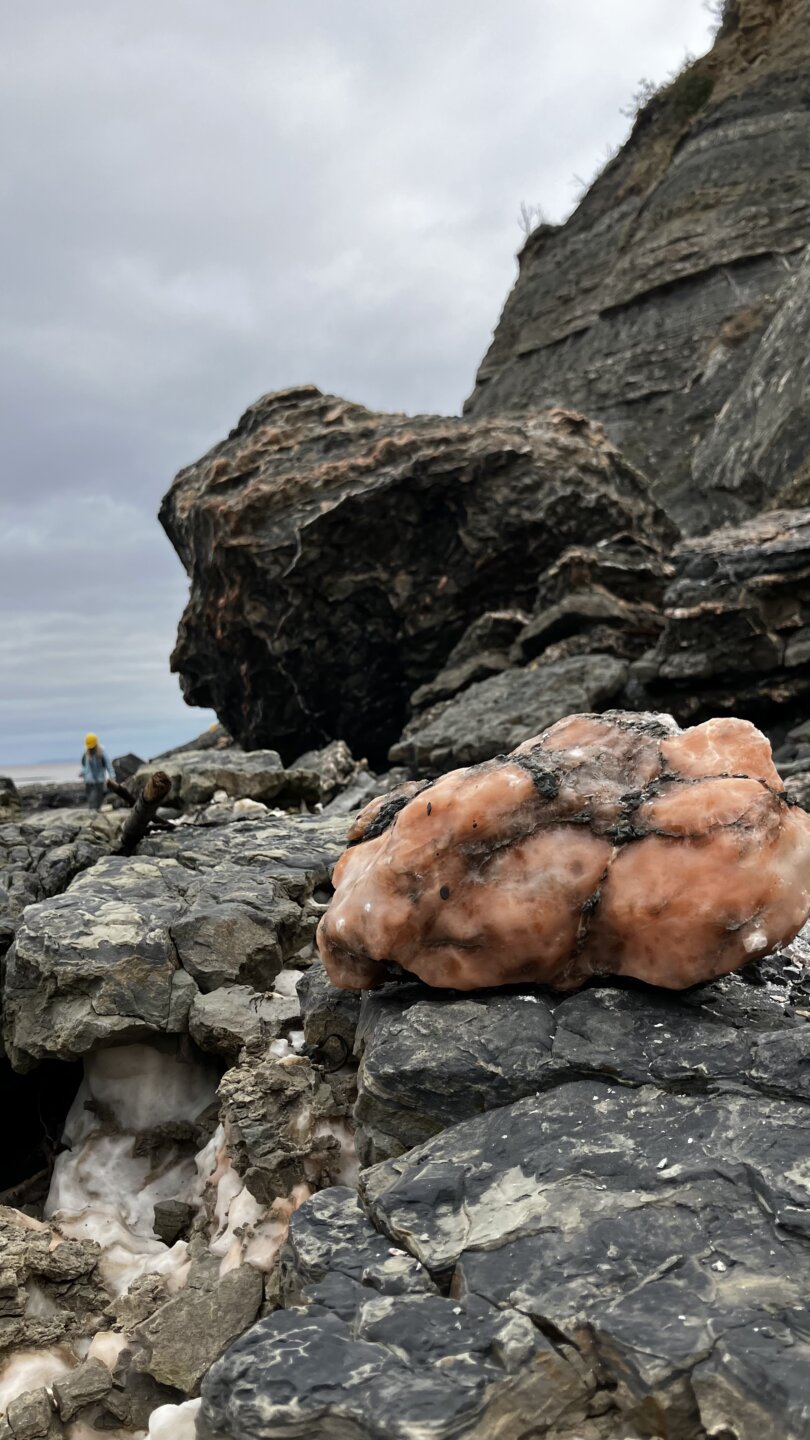
At Blue Anchor on the second morning, the group used careful field observations of the rocks to work out the environments in which they had formed: from deserts during the Triassic into arid hyper-saline lagoons and later into tropic seas. These experiences directly supported their A Level Geology Practical Endorsement, helping them refine key fieldwork skills such as geological sketching, structure analysis, and detailed rock descriptions. At both locations the group enjoyed the opportunity of hunting for a wide variety of fossils amongst the weathered material, including ammonites, brachiopods and fish scales.
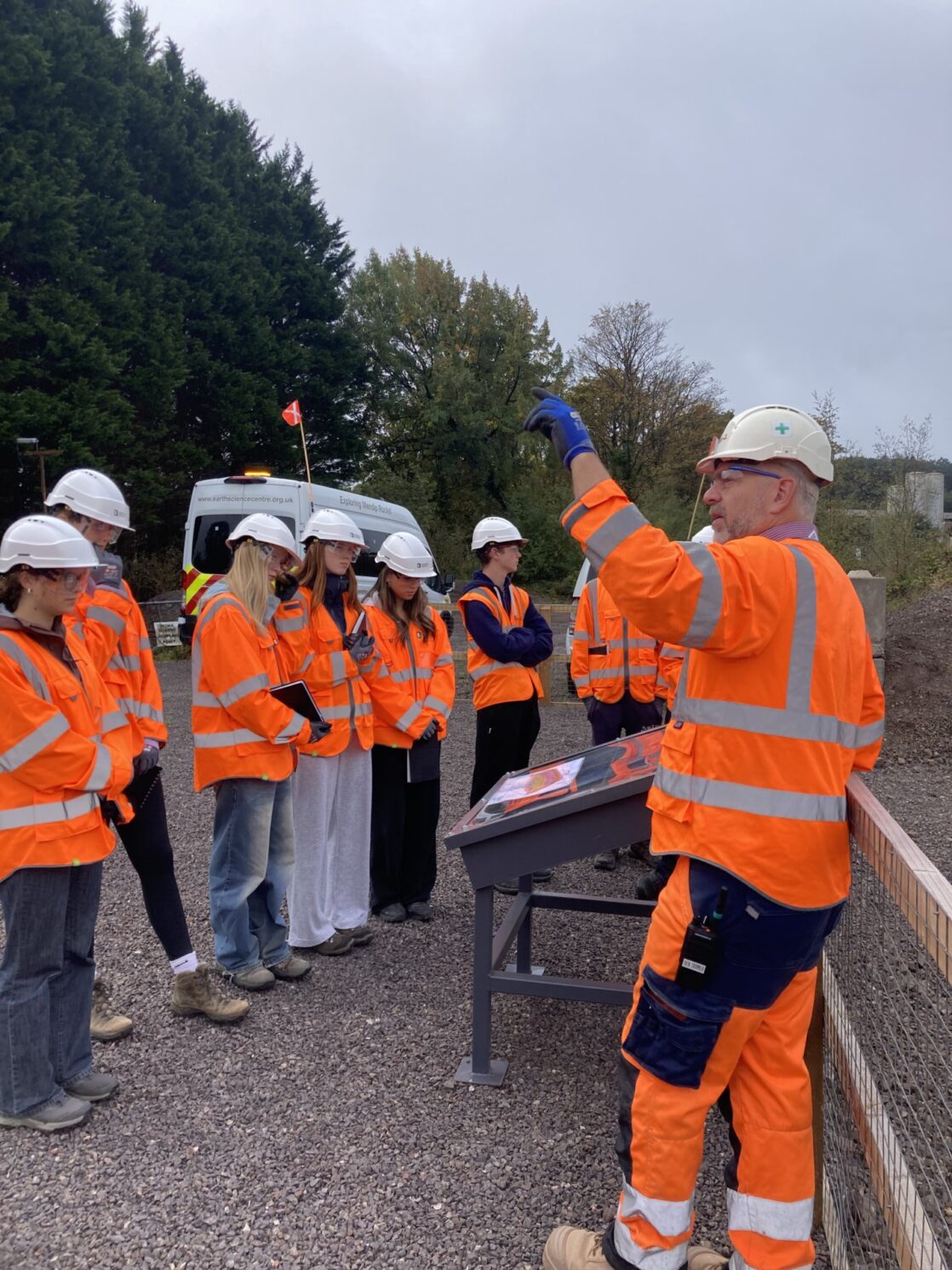
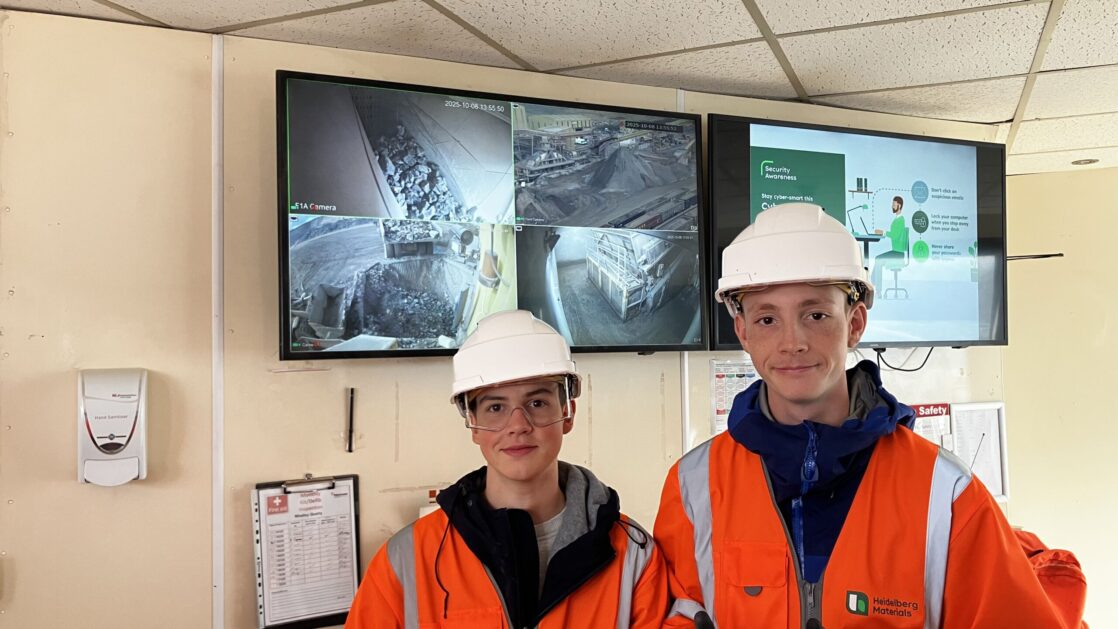
On the final day, students visited the Somerset Earth Science Centre in the Mendips, where they explored two active quarries to learn about extraction and processing methods. They also had the privilege of speaking with Ben Dormer (Operations Director at John Wainwright & Co Ltd) about the industrial and engineering applications of geology at Moon’s Hill Quarry. The visit concluded with an engaging lecture from Prof. Peter Hardy, who traced the region’s geological evolution from ancient volcanic eruptions 400 million years ago to the sea-level changes of the Jurassic Period that shaped today’s Mendip landscape, now recognised as an Area of Outstanding Natural Beauty.
Reflecting on the trip, Finley and Alice shared that they “particularly valued the opportunity to visit multiple locations and use their first-hand observations to fit the history of each specific site into a broader context.”

Mar 20th 2026

Mar 20th 2026

Mar 20th 2026

Mar 20th 2026
Mar 20th 2026

Mar 19th 2026


Truro School is part of the Methodist Independent Schools Trust (MIST)
MIST Registered Office: 66 Lincoln’s Inn Fields, London WC2A 3LH
Charity No. 1142794
Company No. 7649422